































































































































































































































































































































Access to your account to proceed
Franco Albini


THE ESSENCE OF COMFORT
Designed by Franco Albini and Franca Helg in 1959, Tre Pezzi epitomizes the modern wingback armchair. Its generous, enveloping, upholstered shapes blend minimalist concepts and the utmost comfort.





































































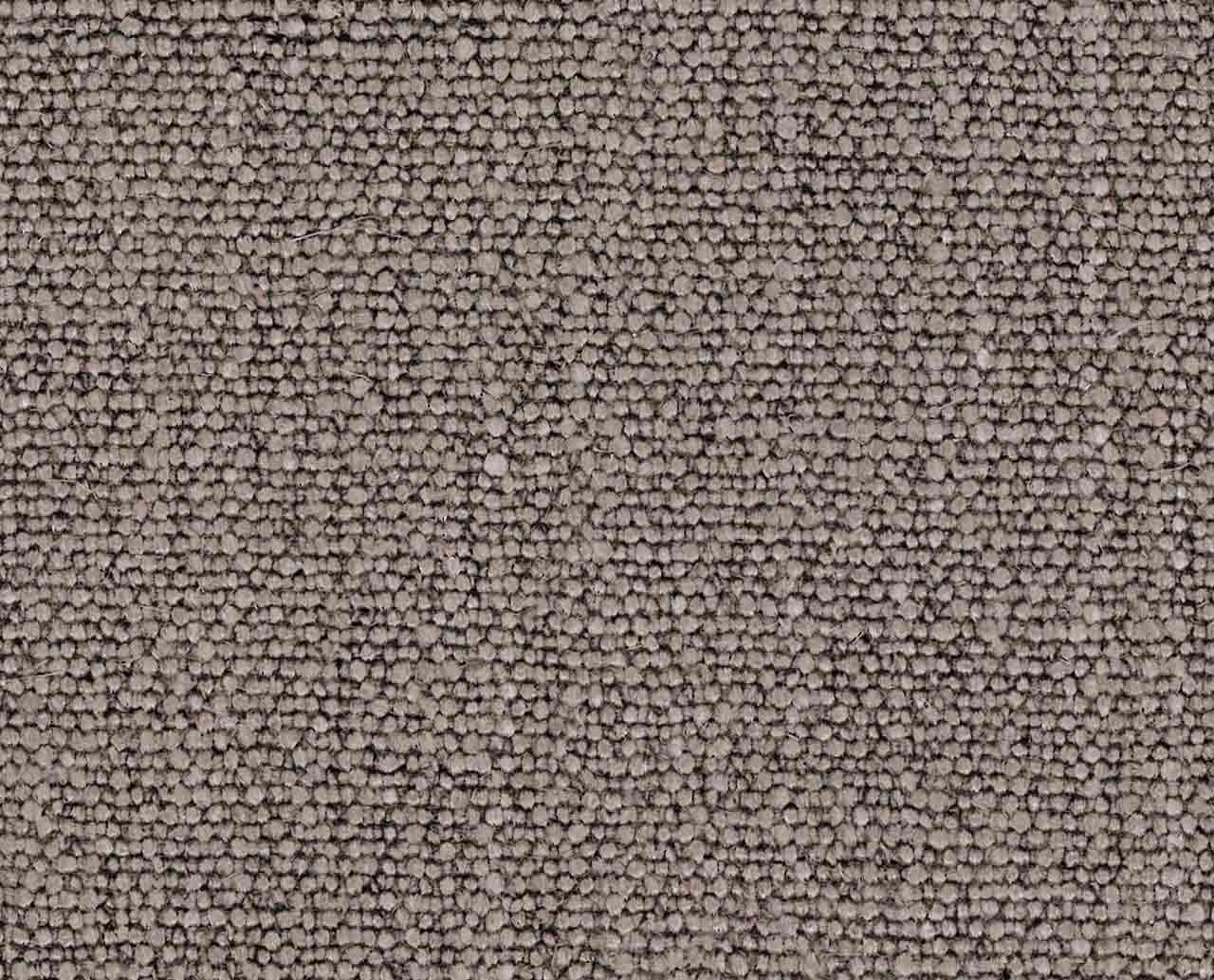
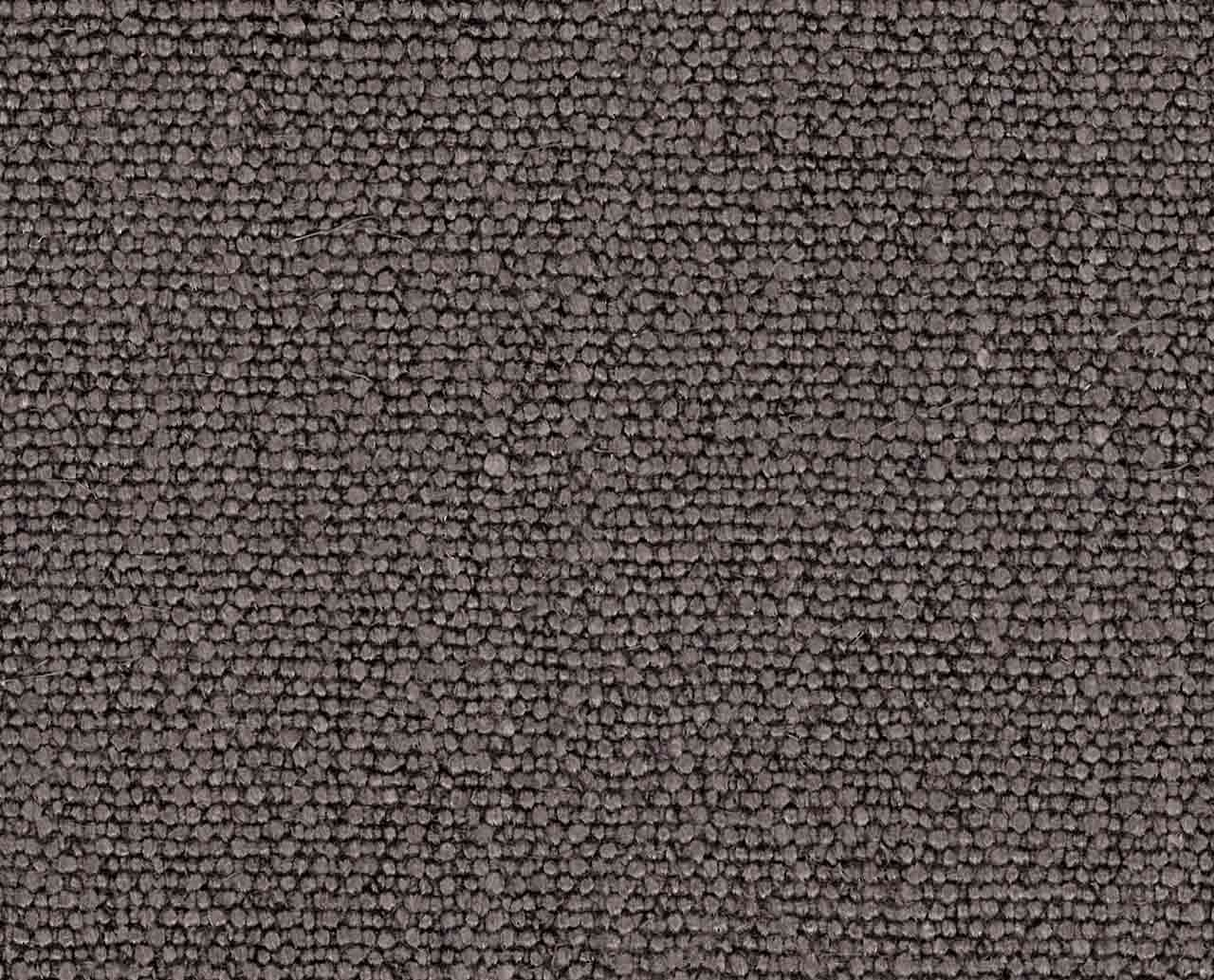



























































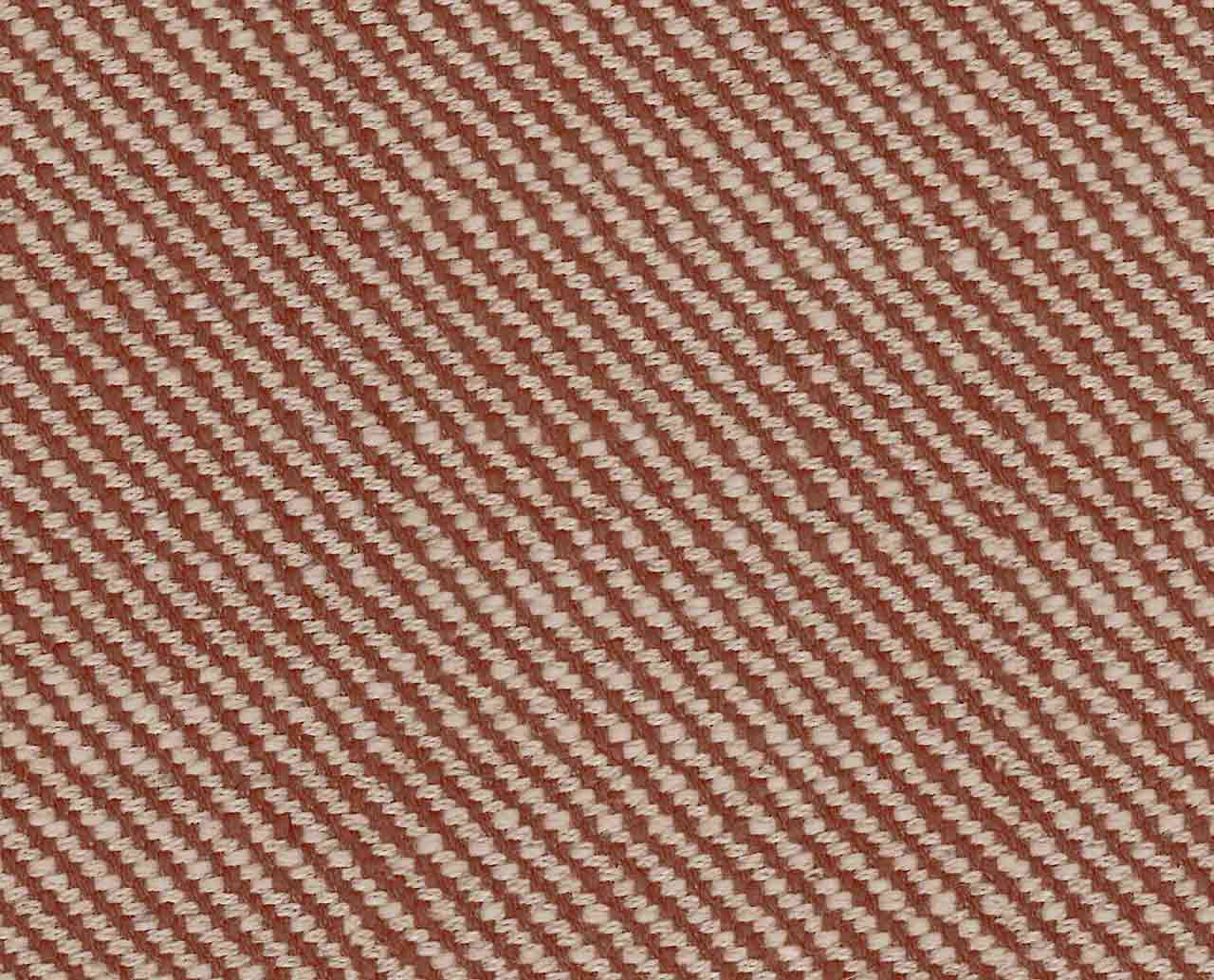
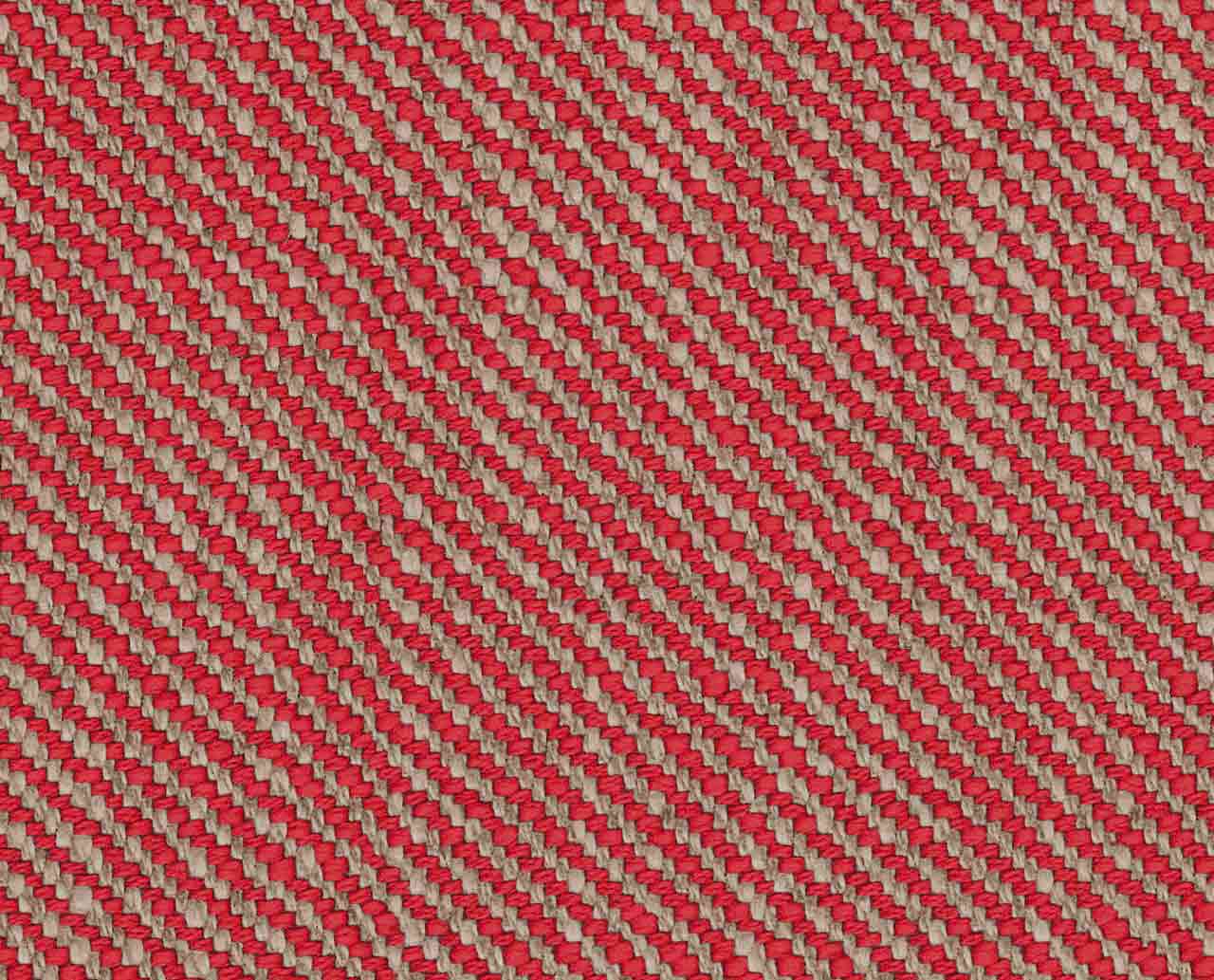








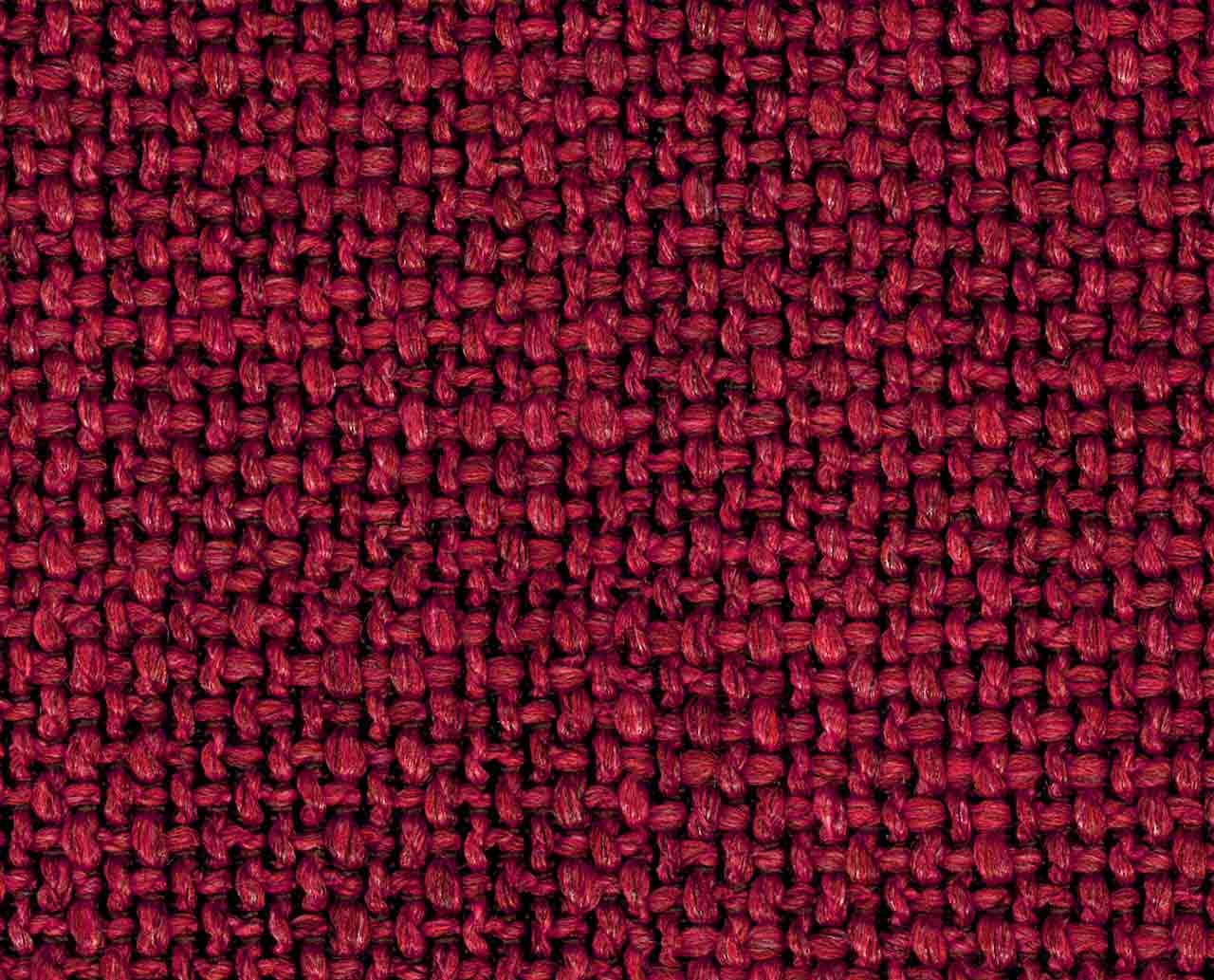
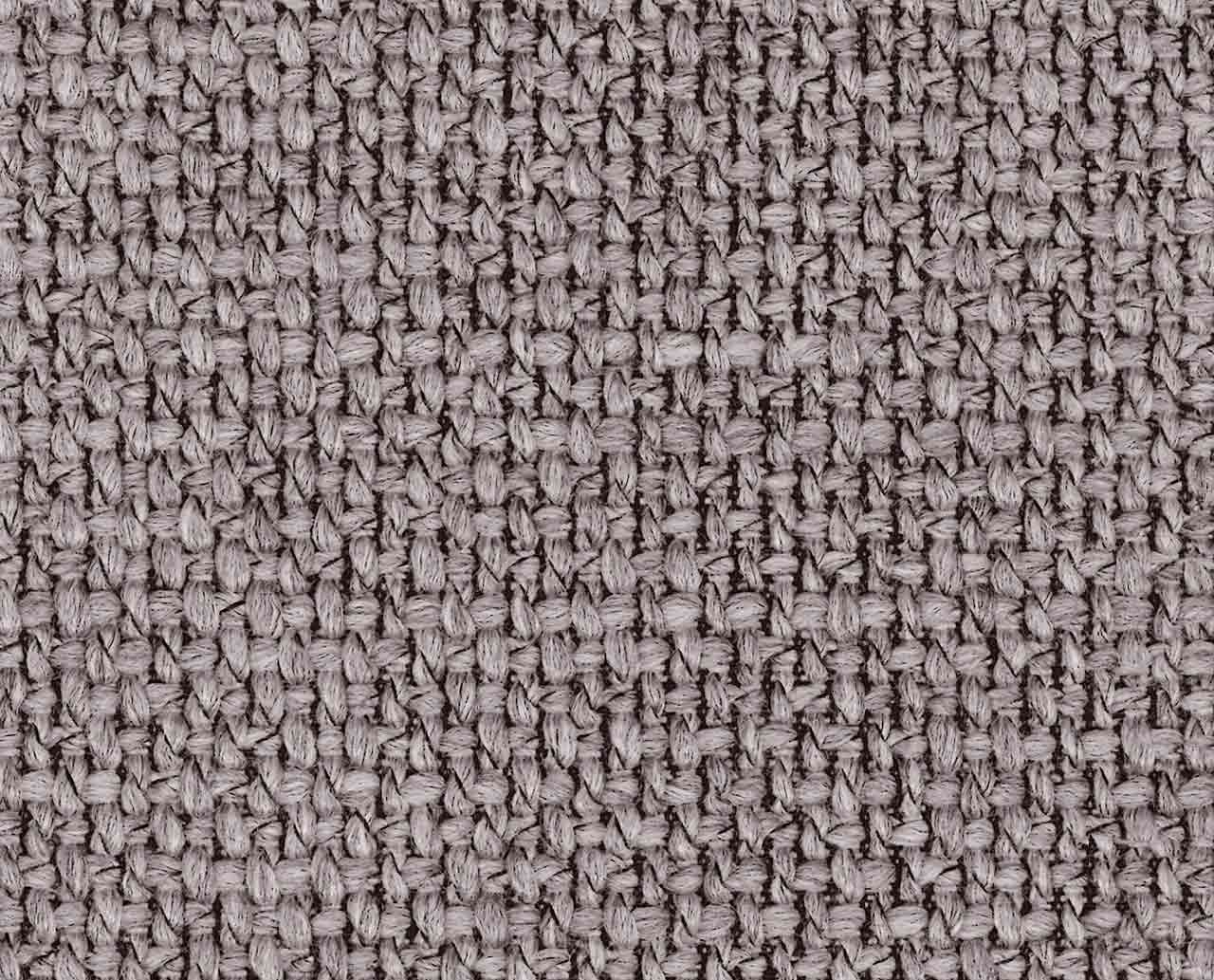
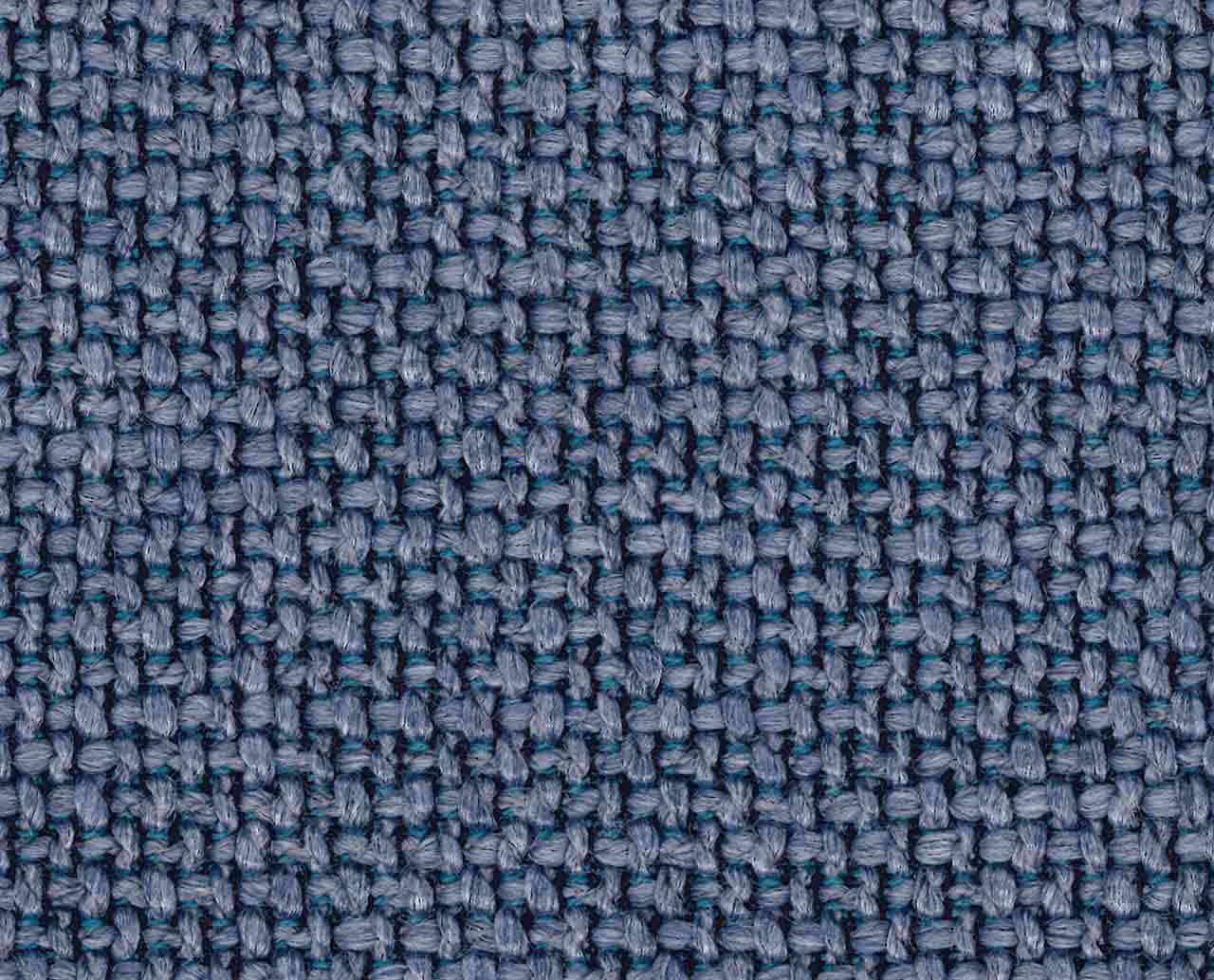

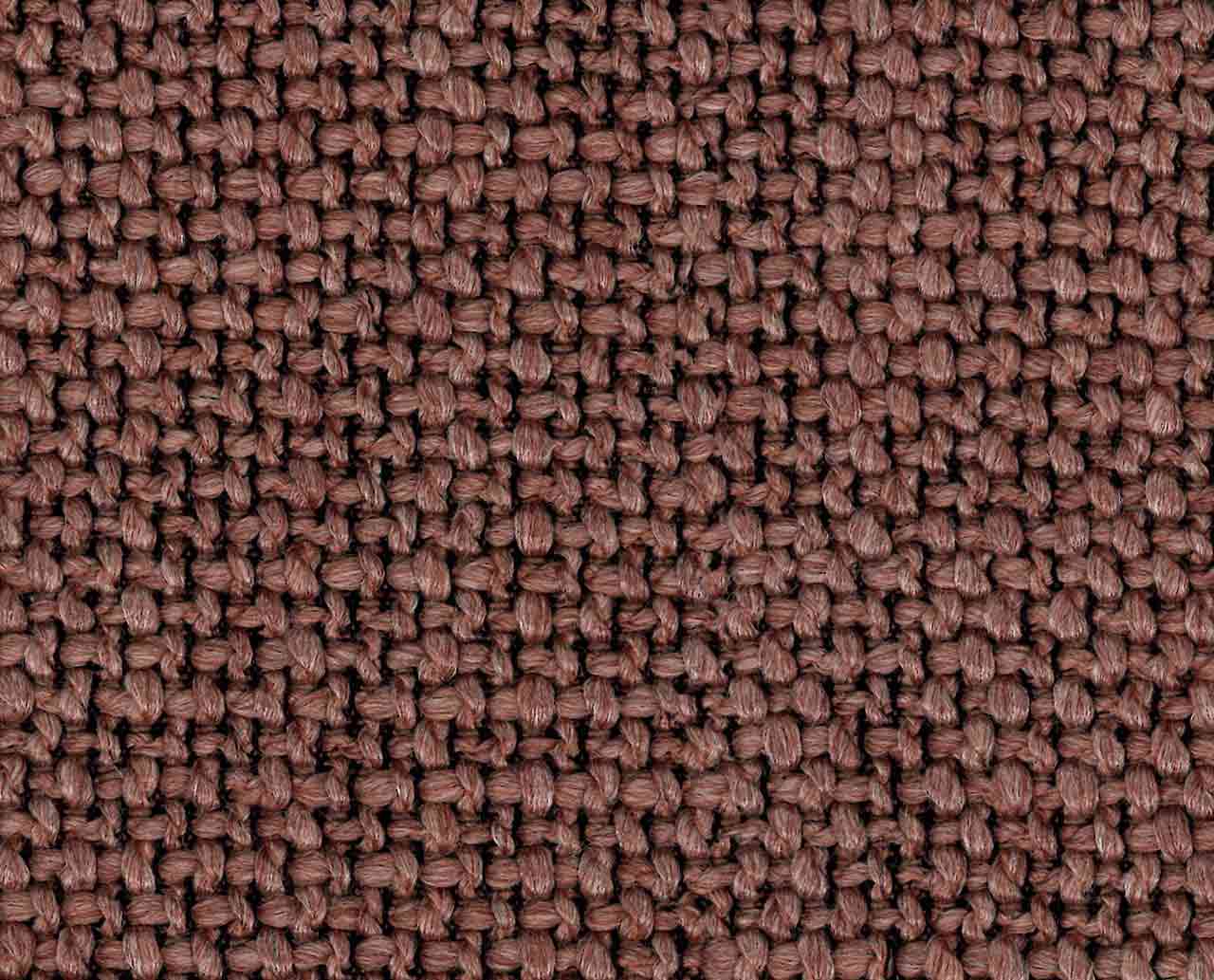
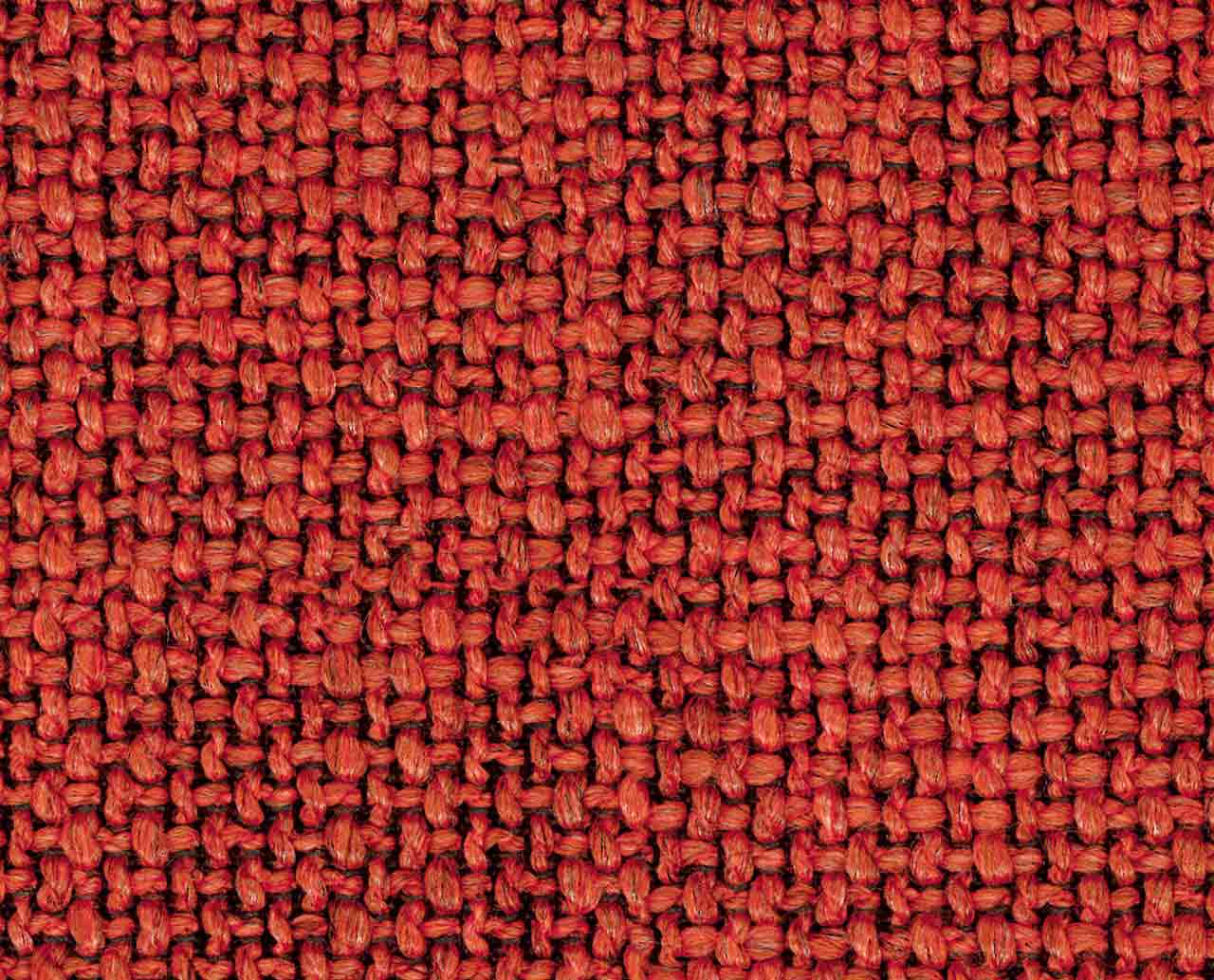
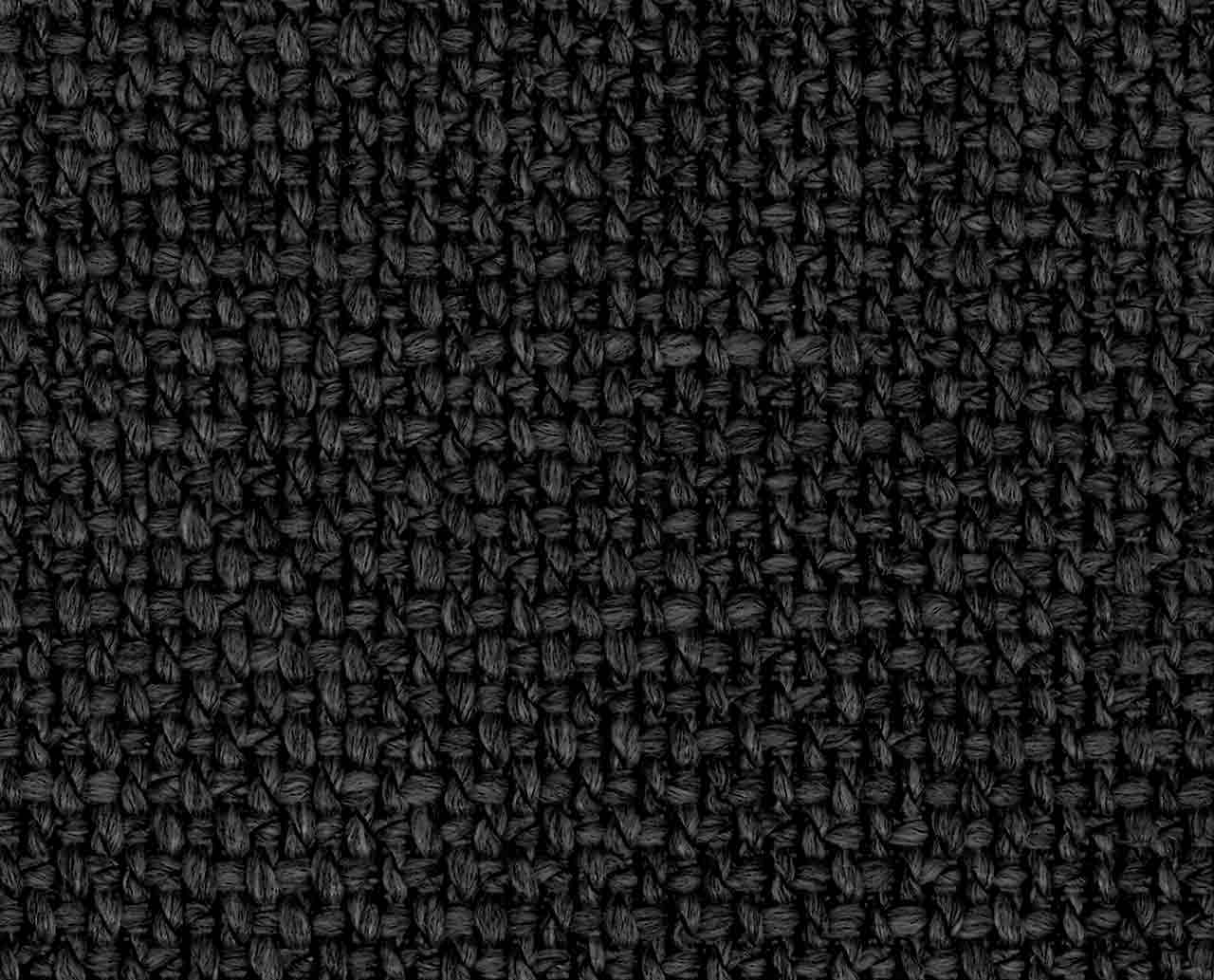

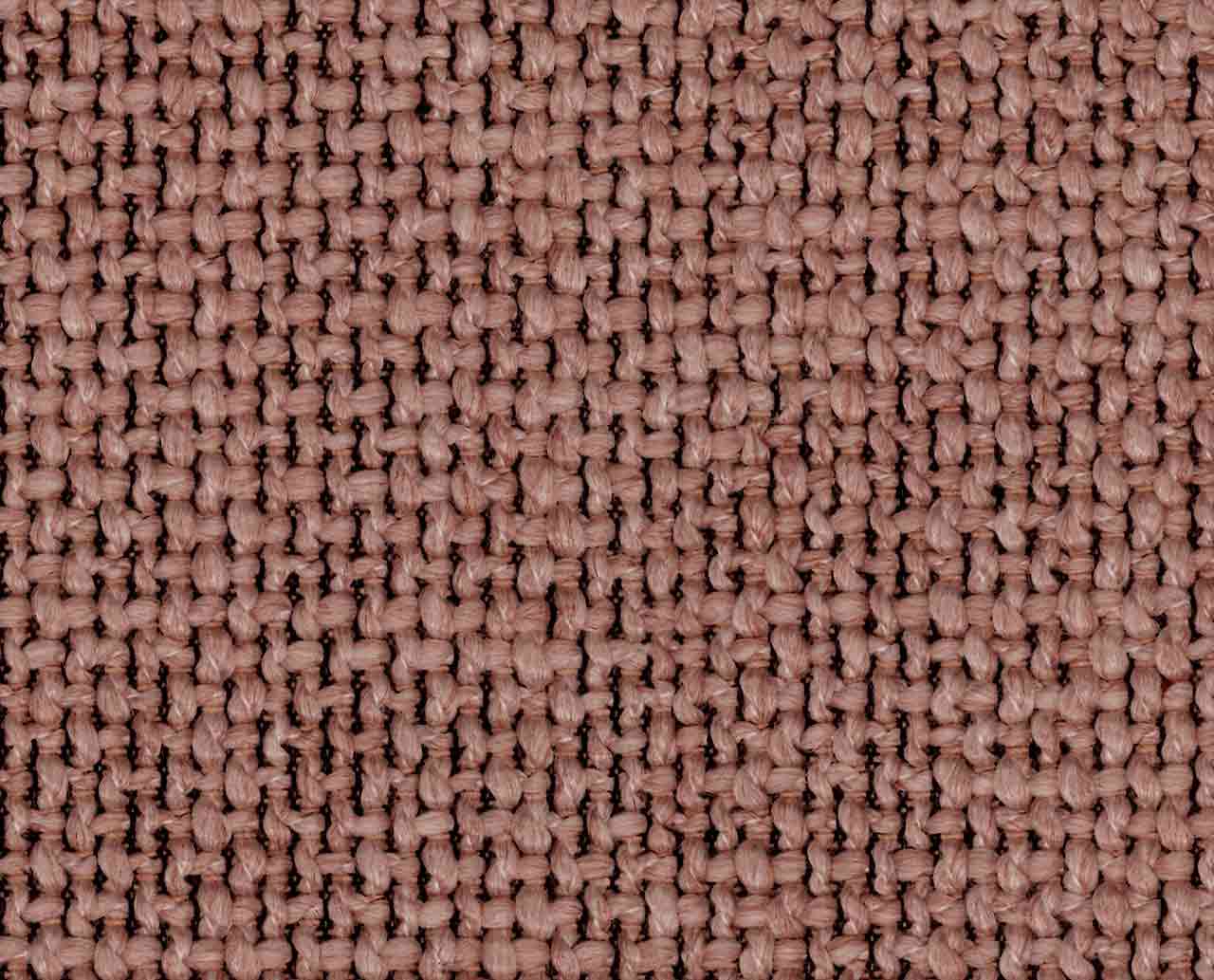
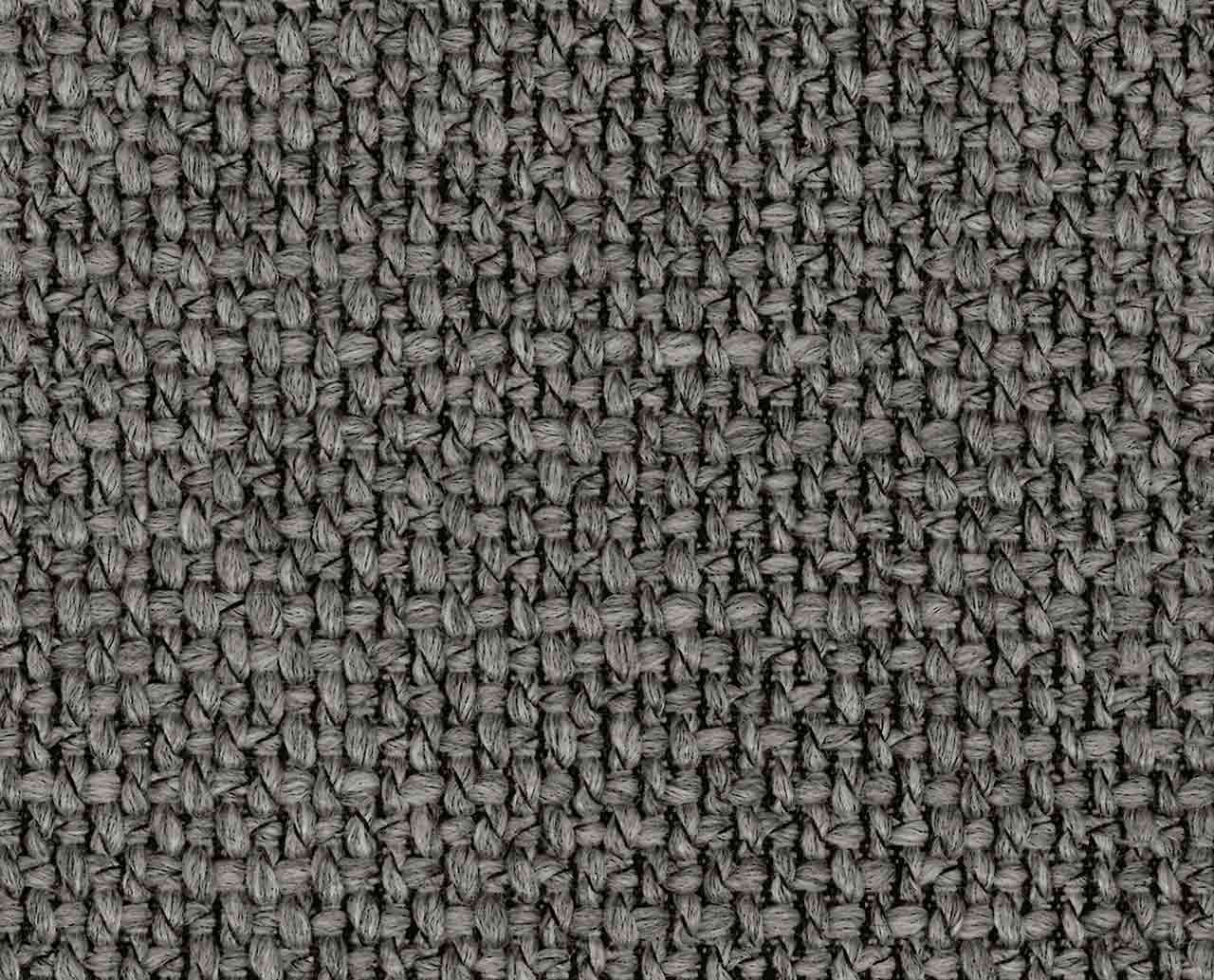


























































DESIGN BY
PRODUCT CARE AND MAINTENANCE
In this manual you will find some recommendations for the care and maintenance of your Cassina products.
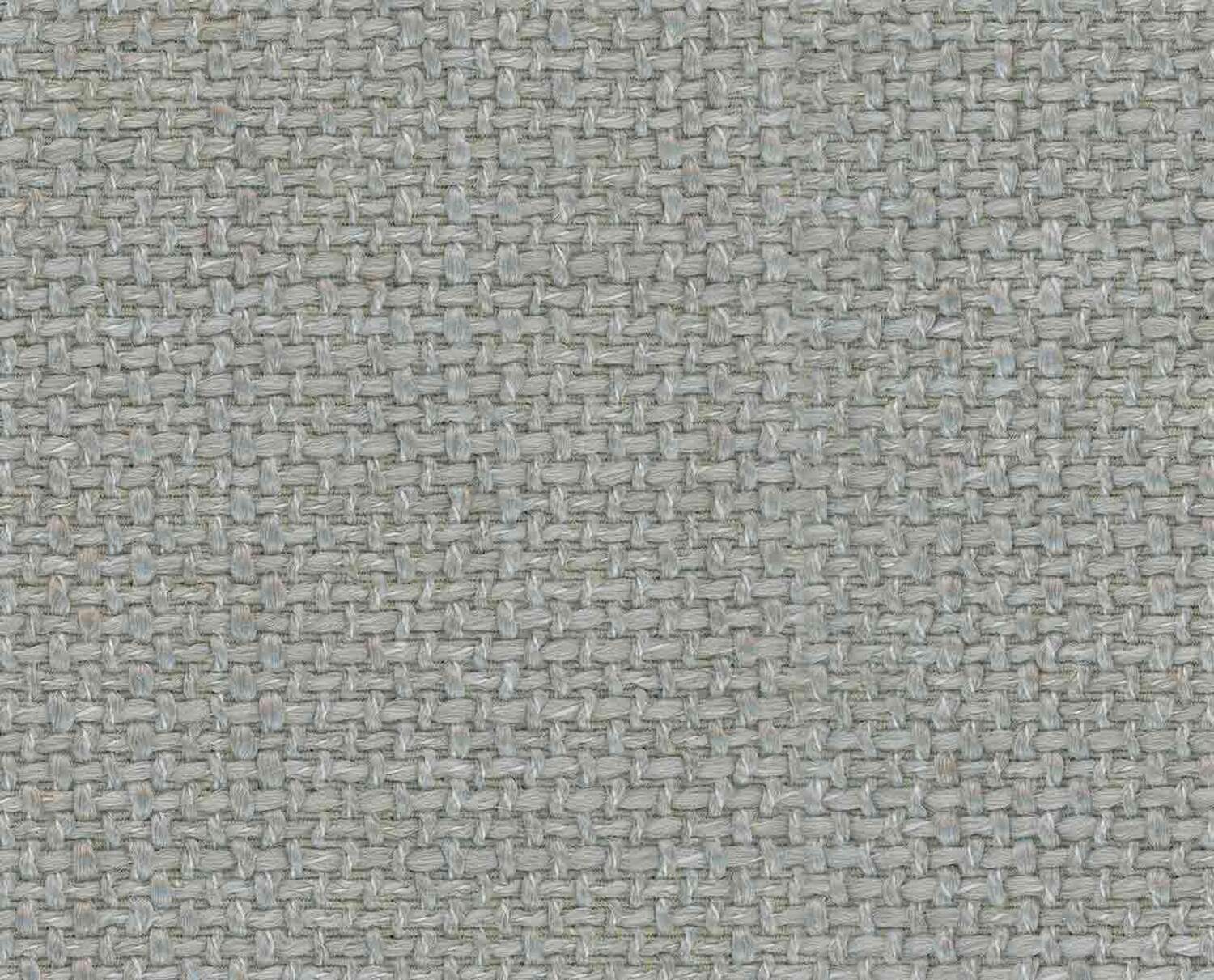
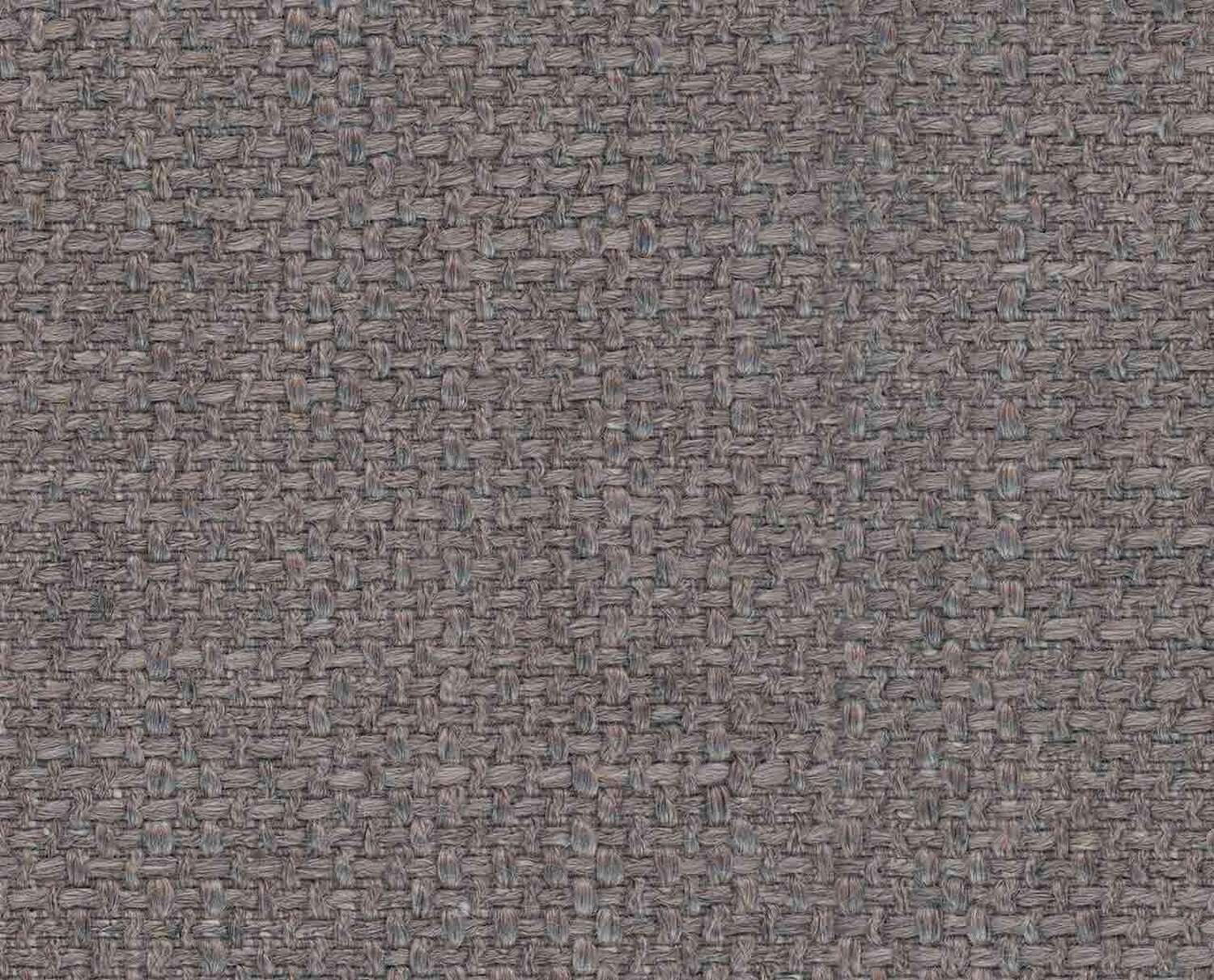
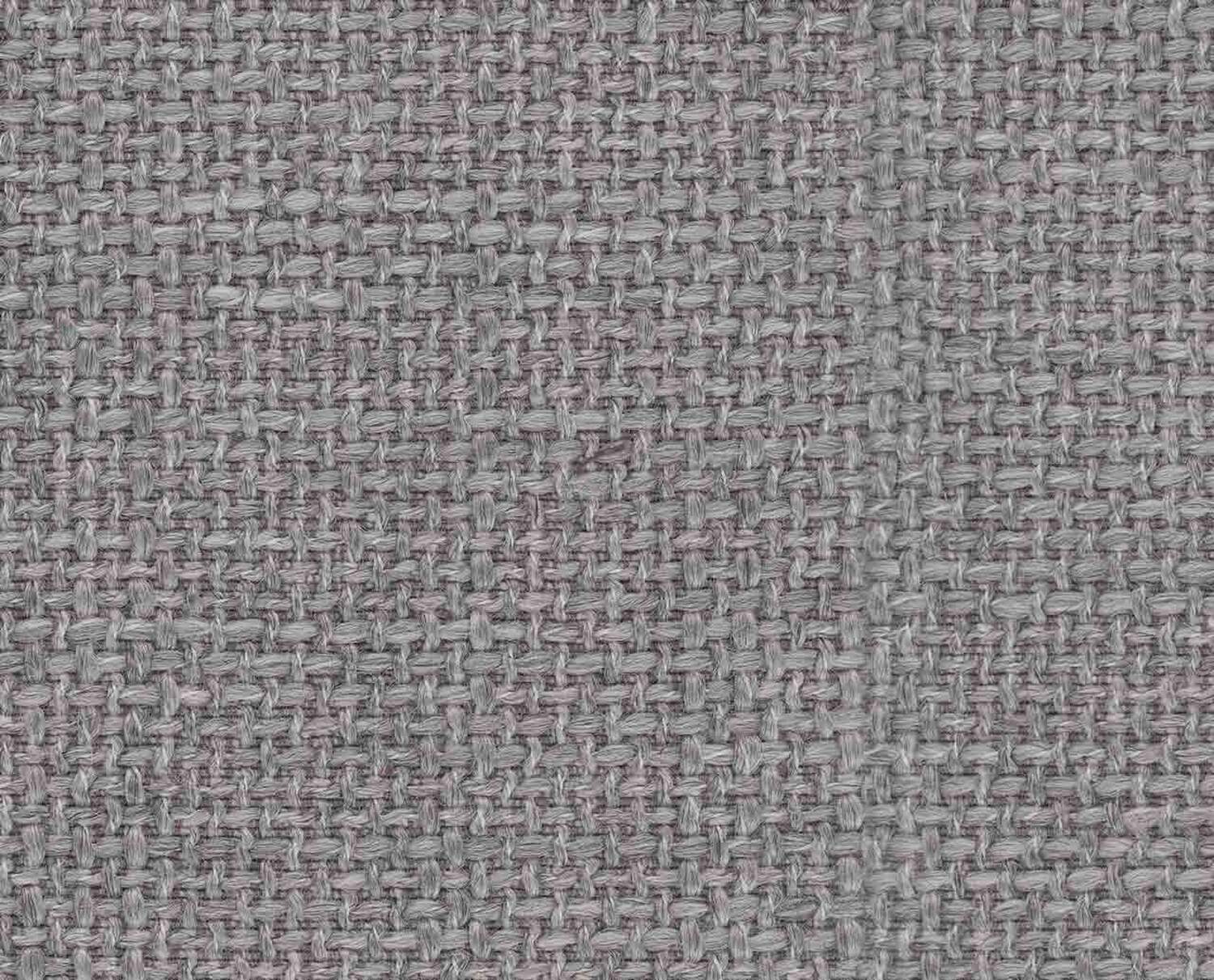
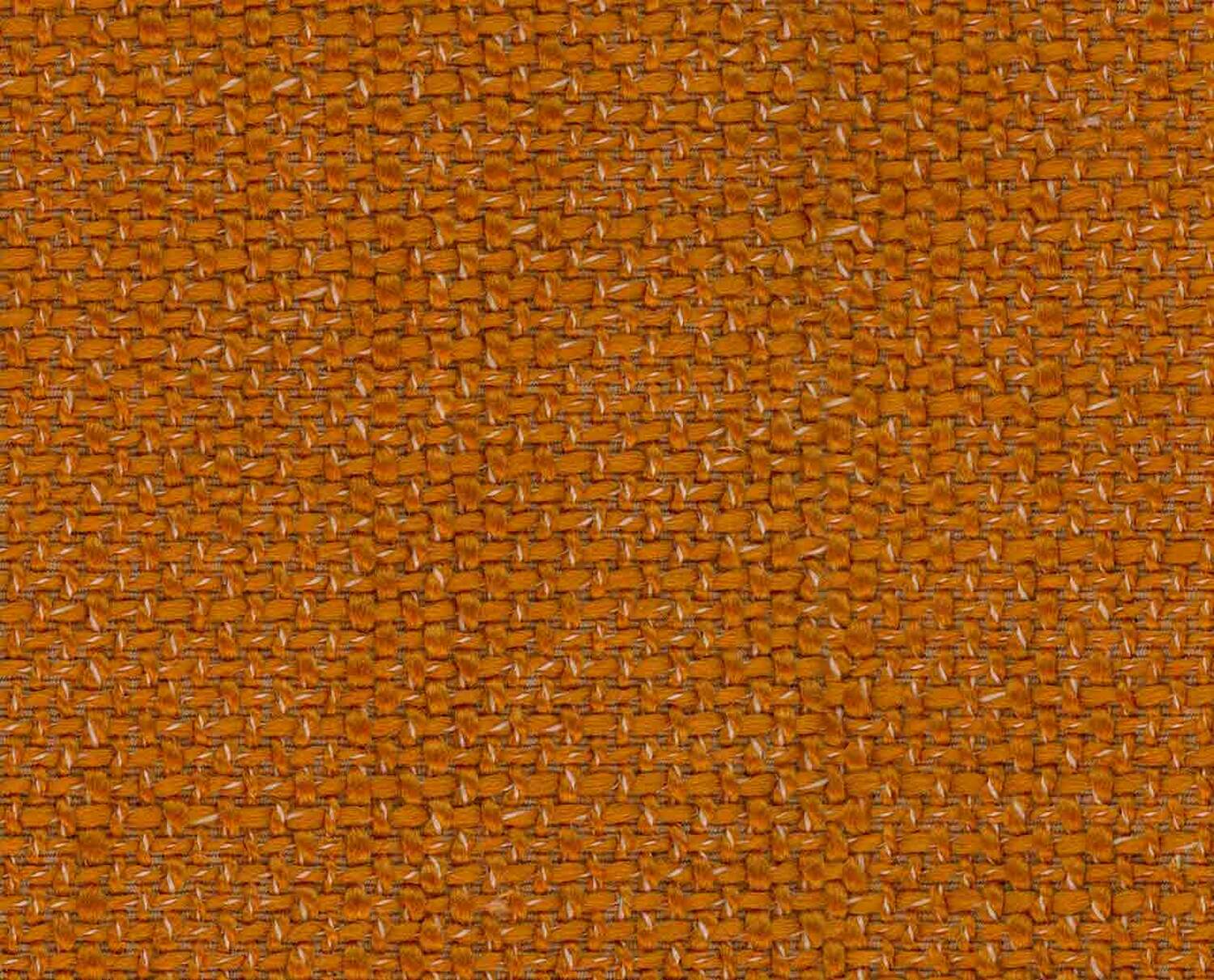
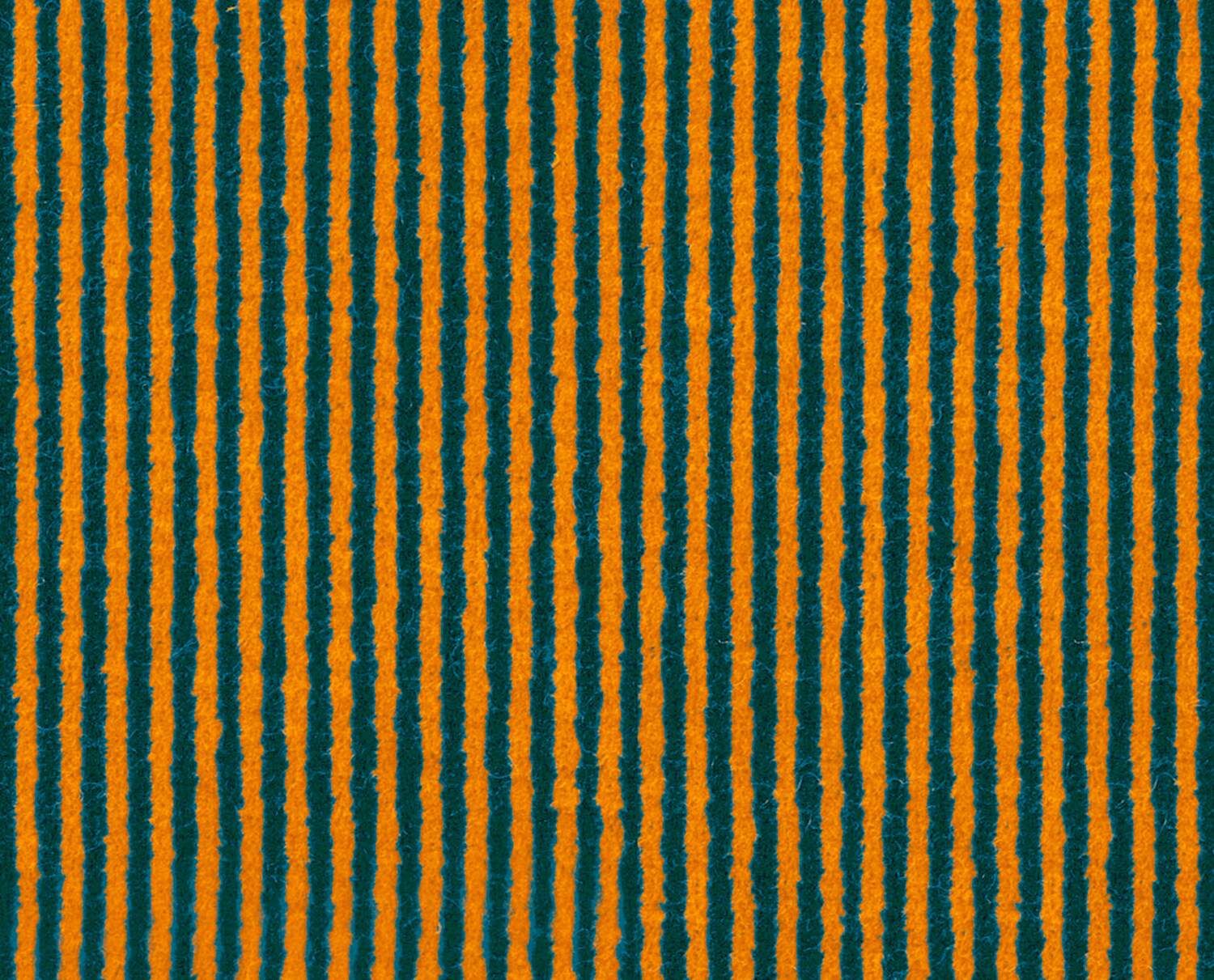
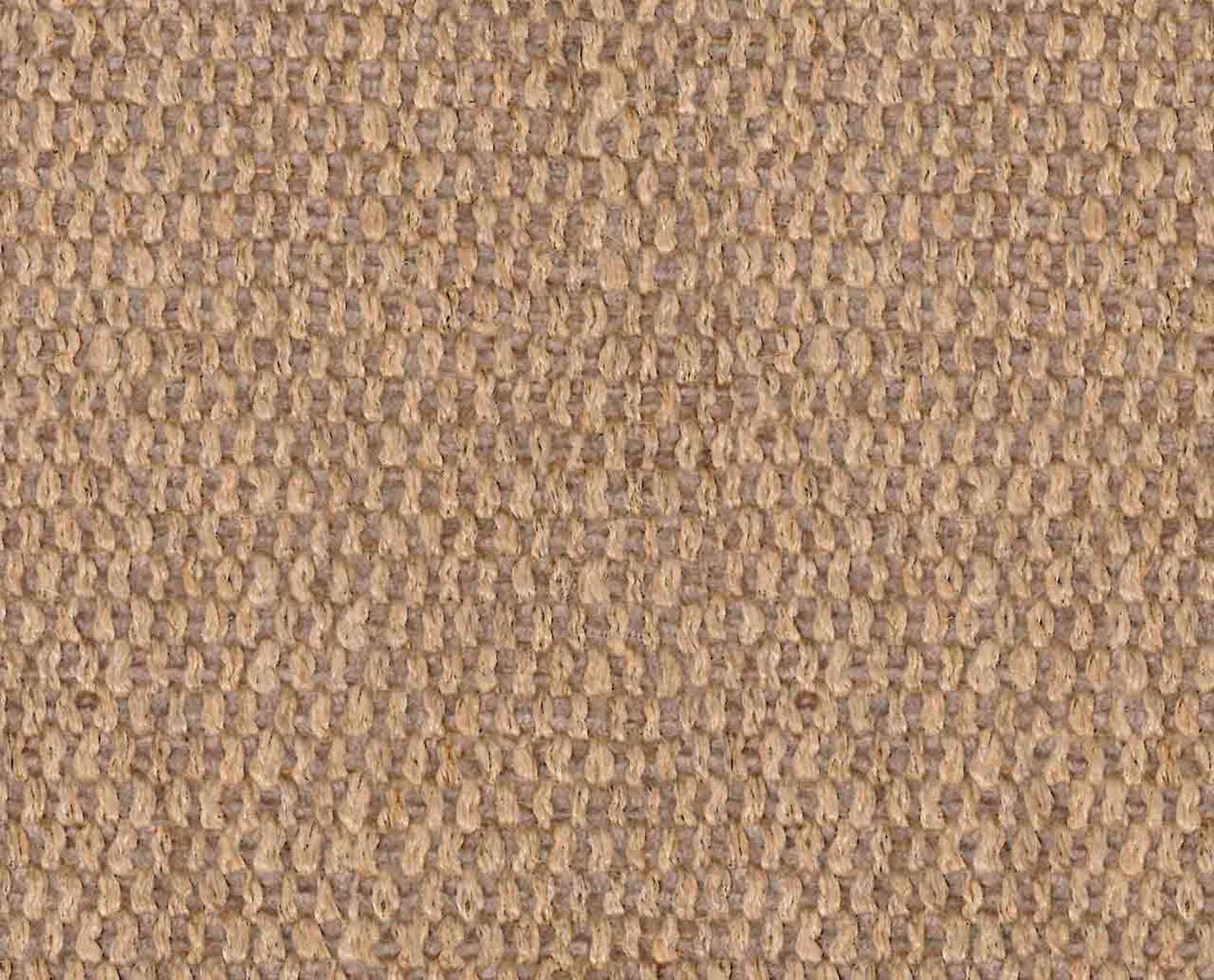
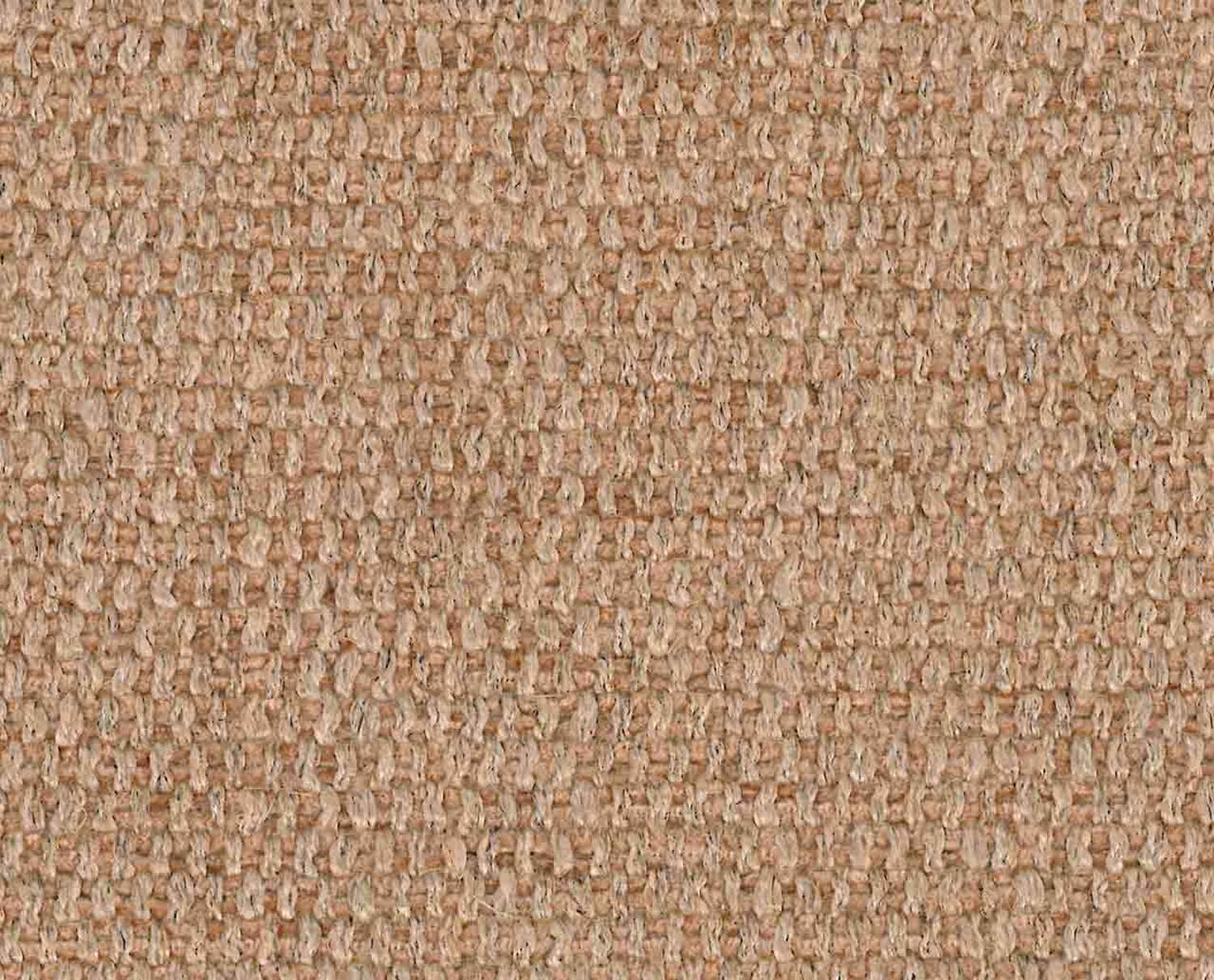
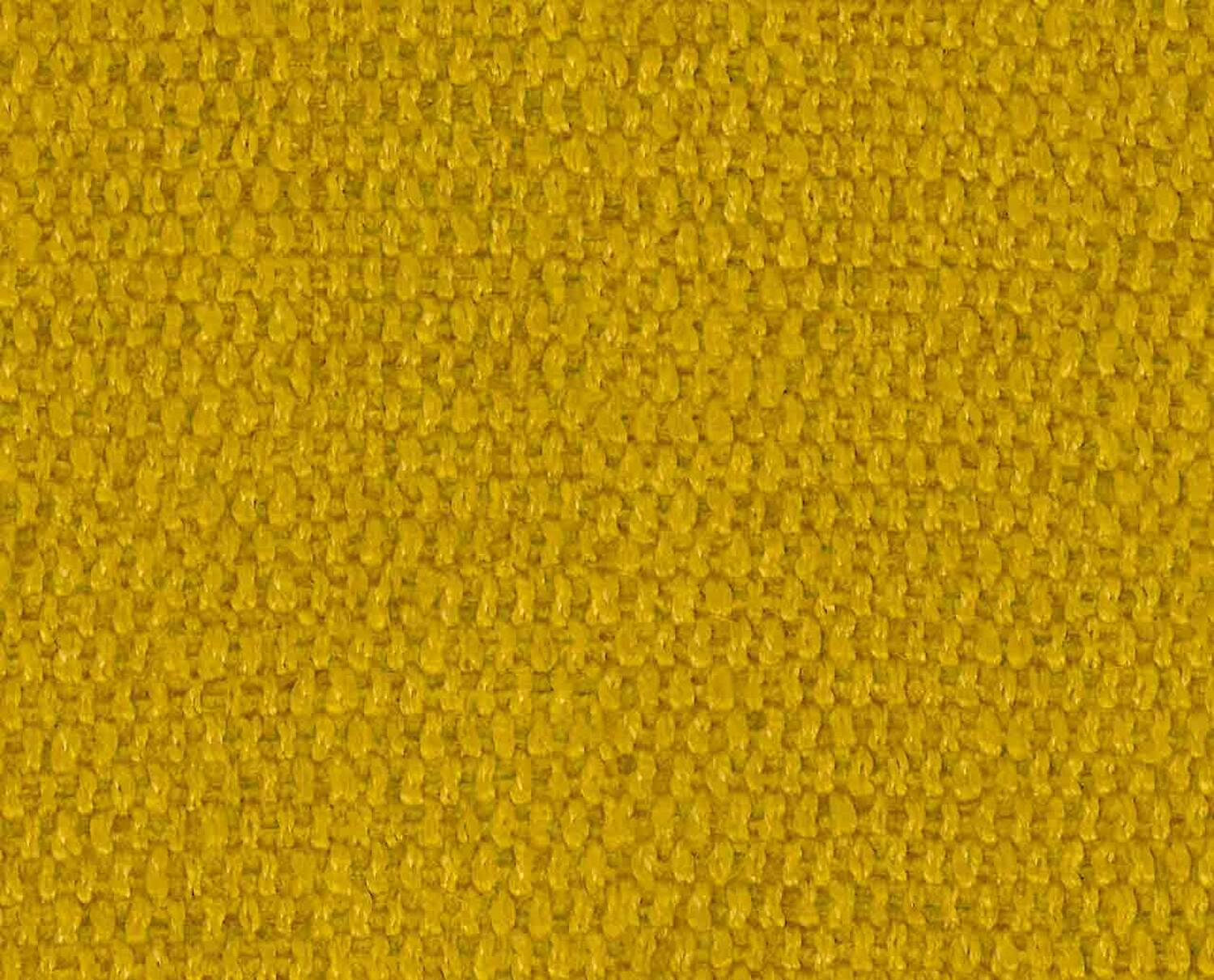
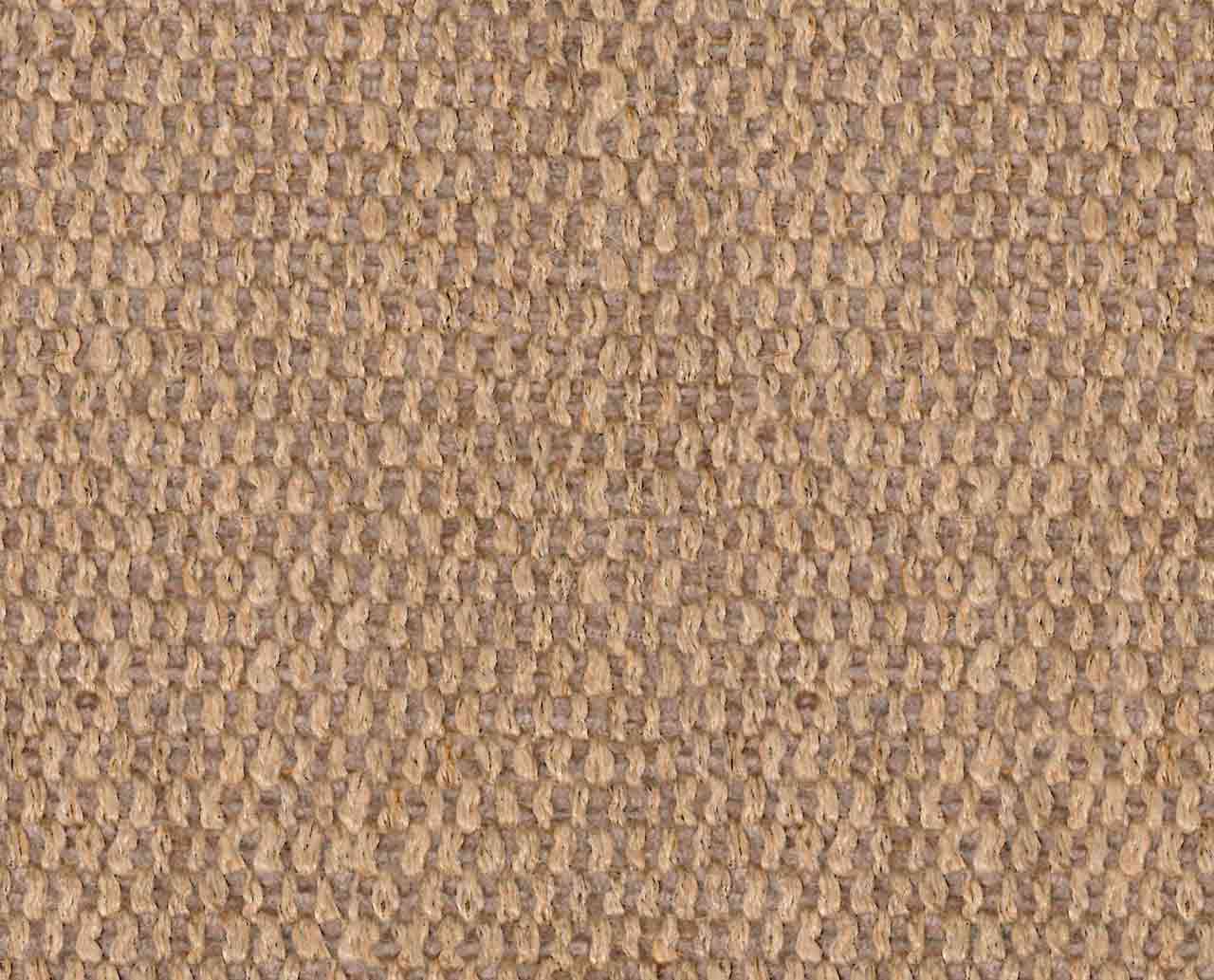
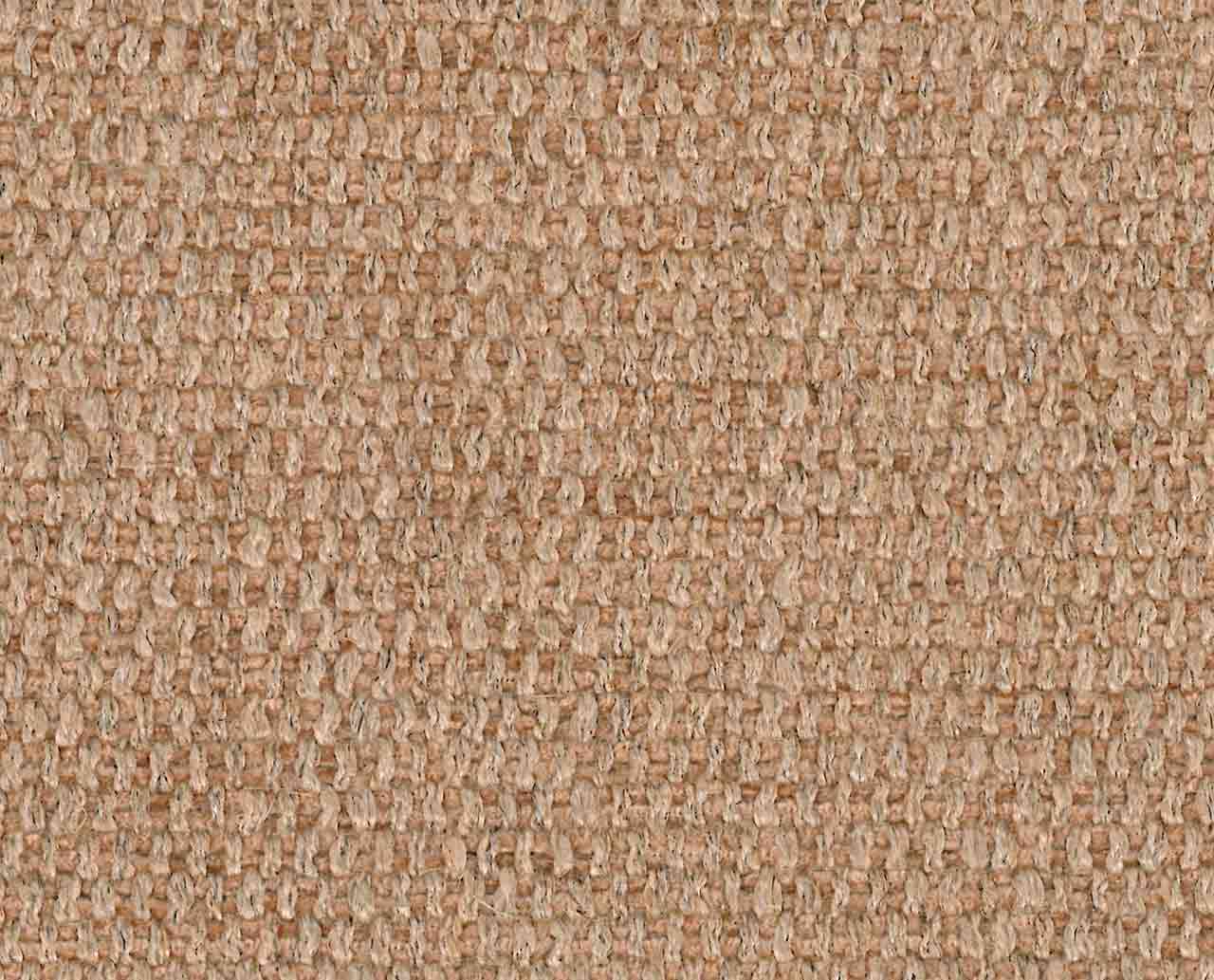
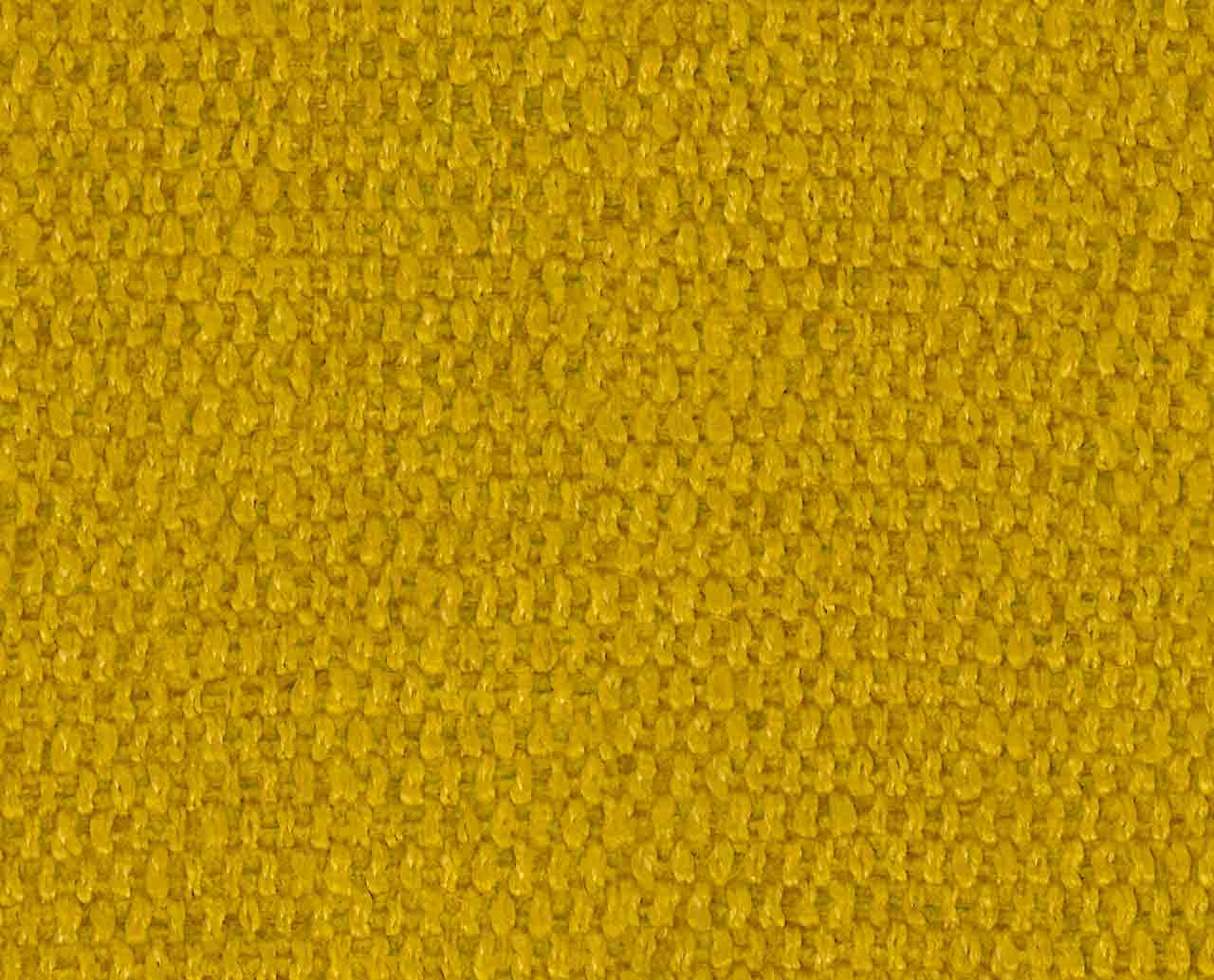
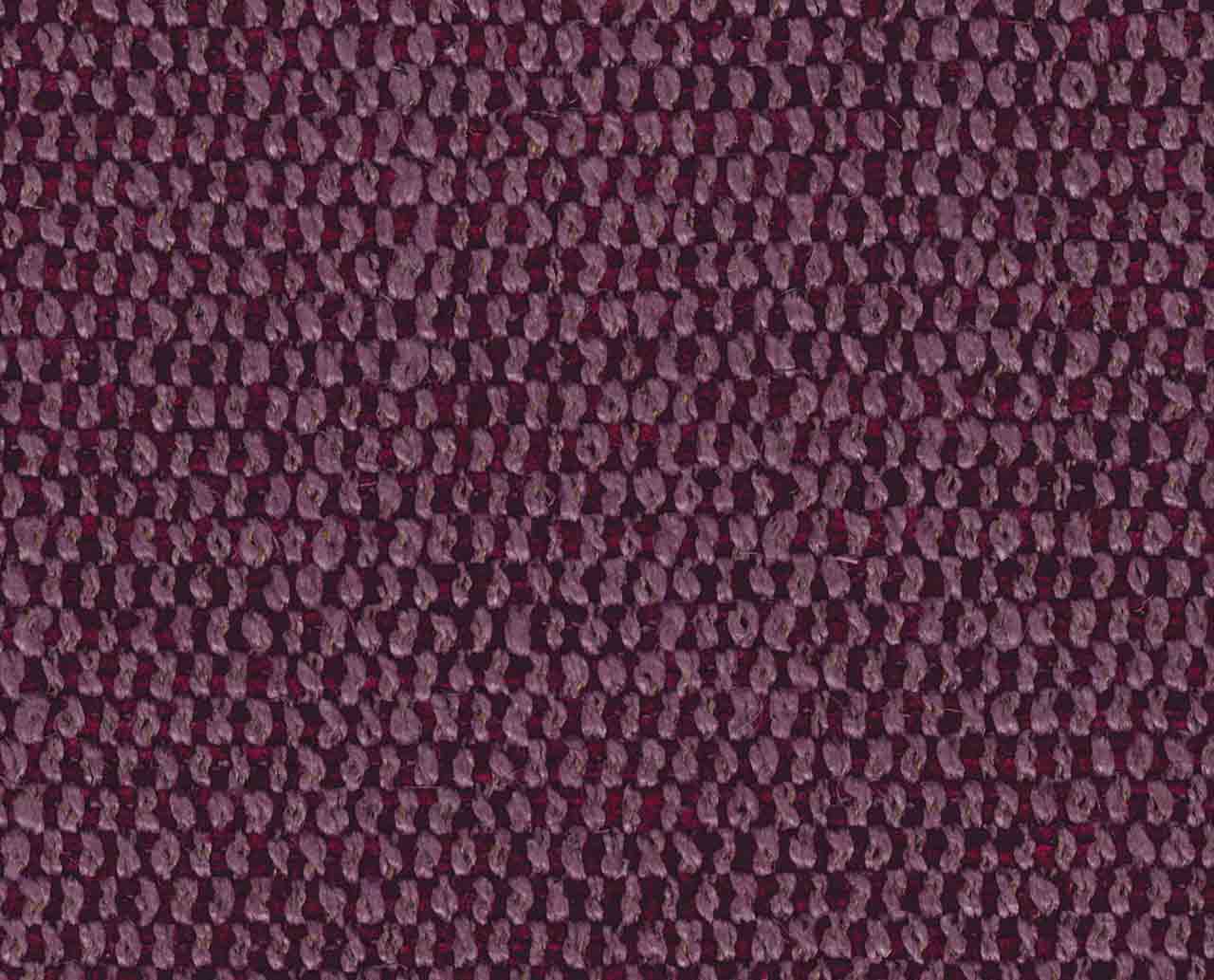
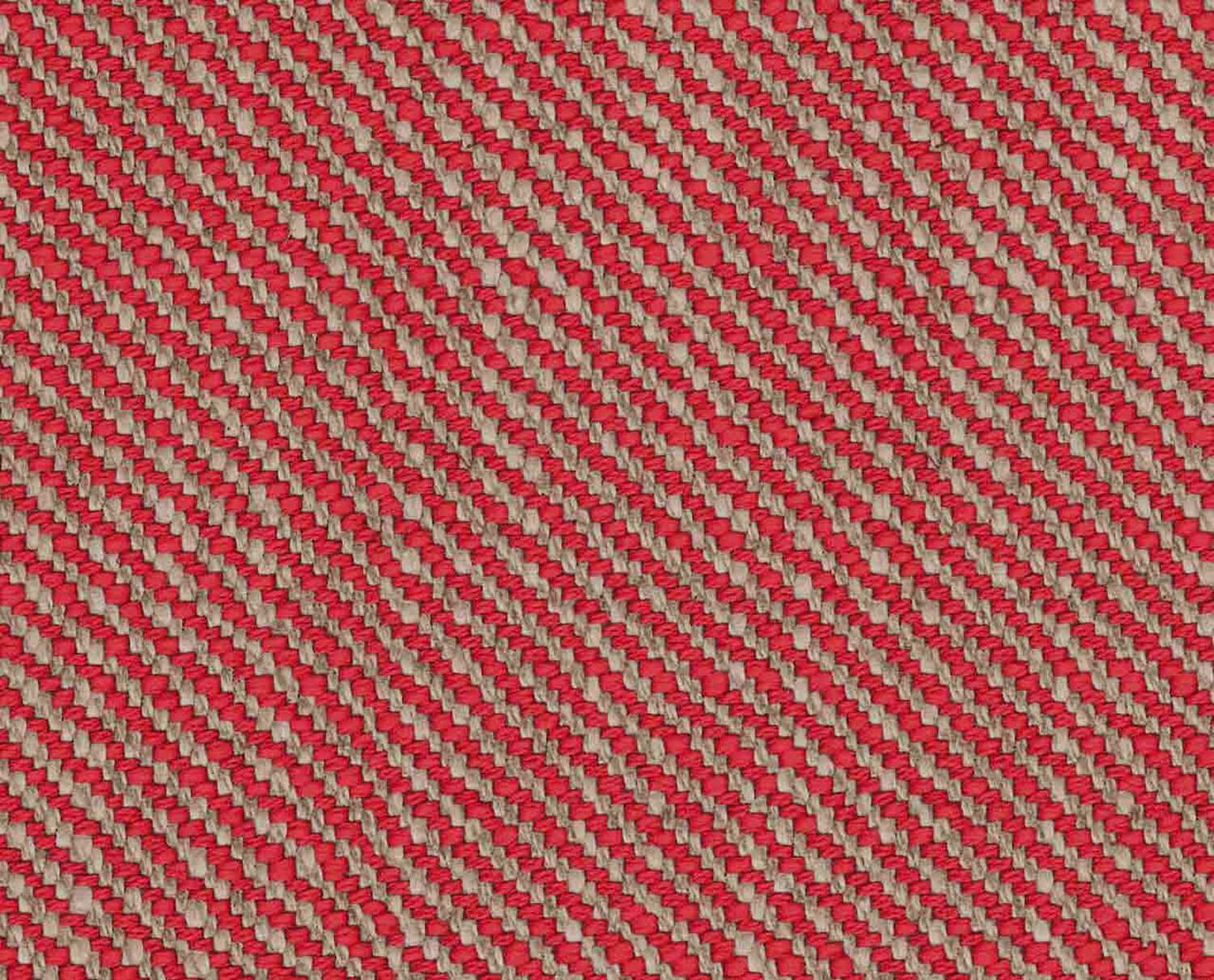
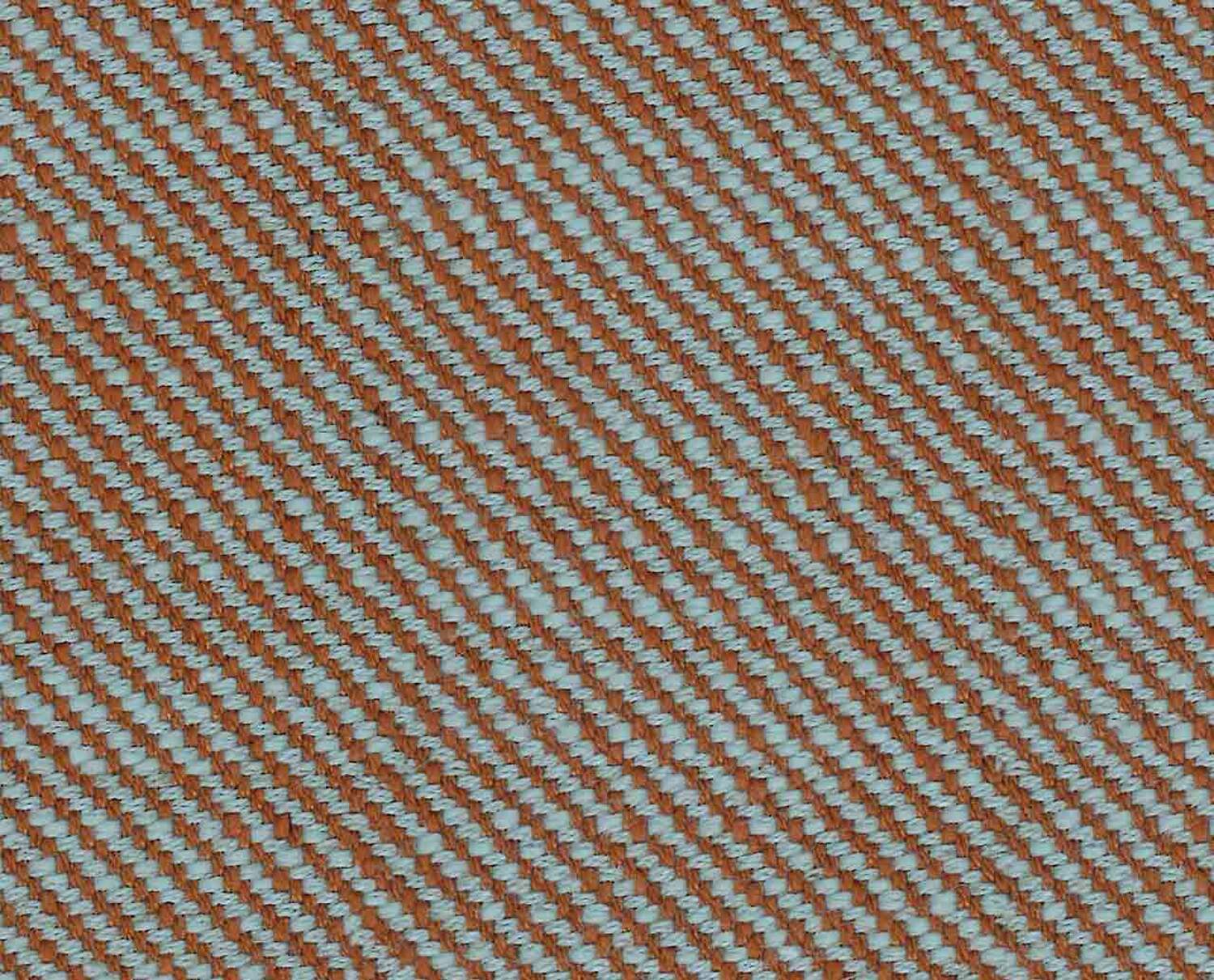
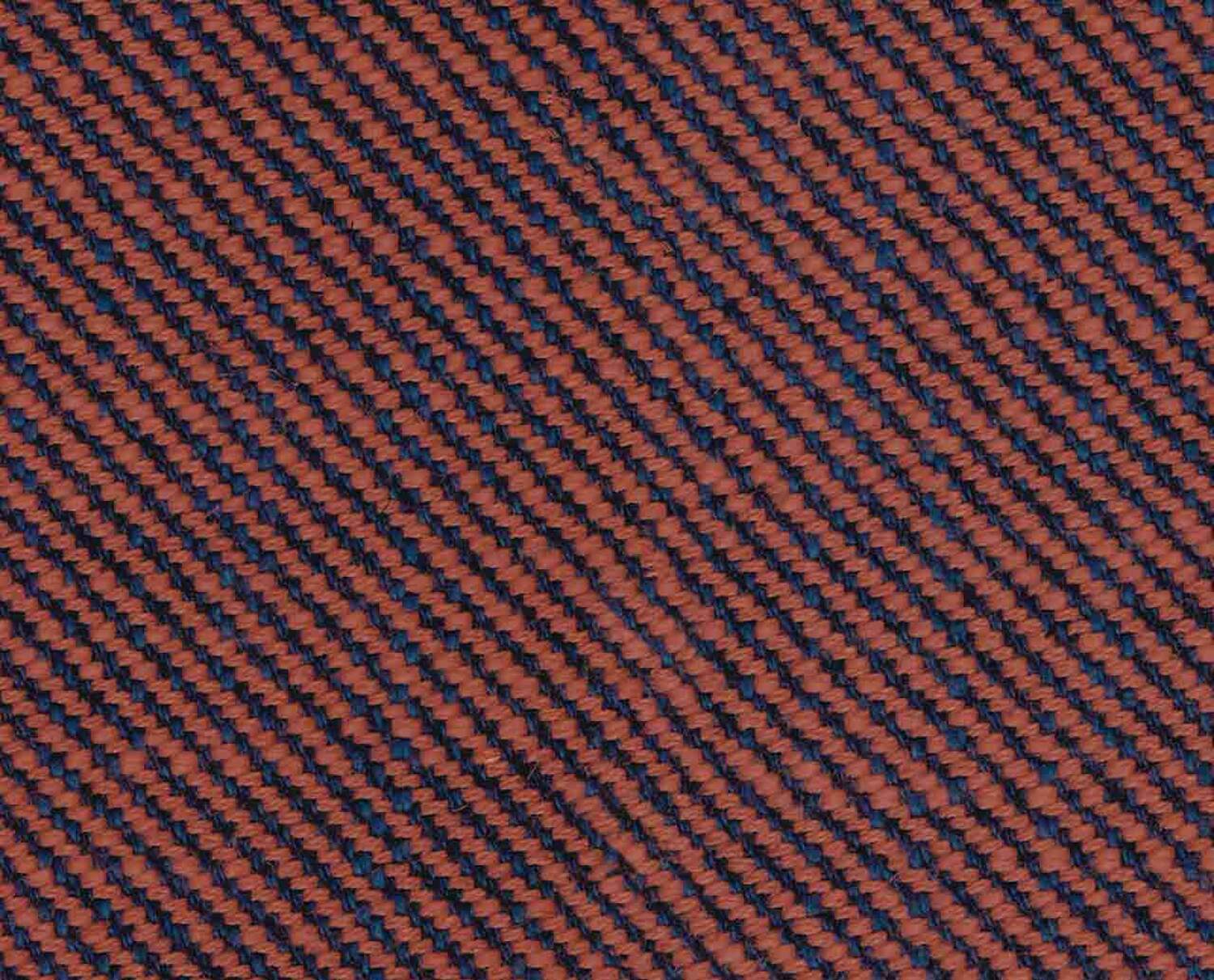
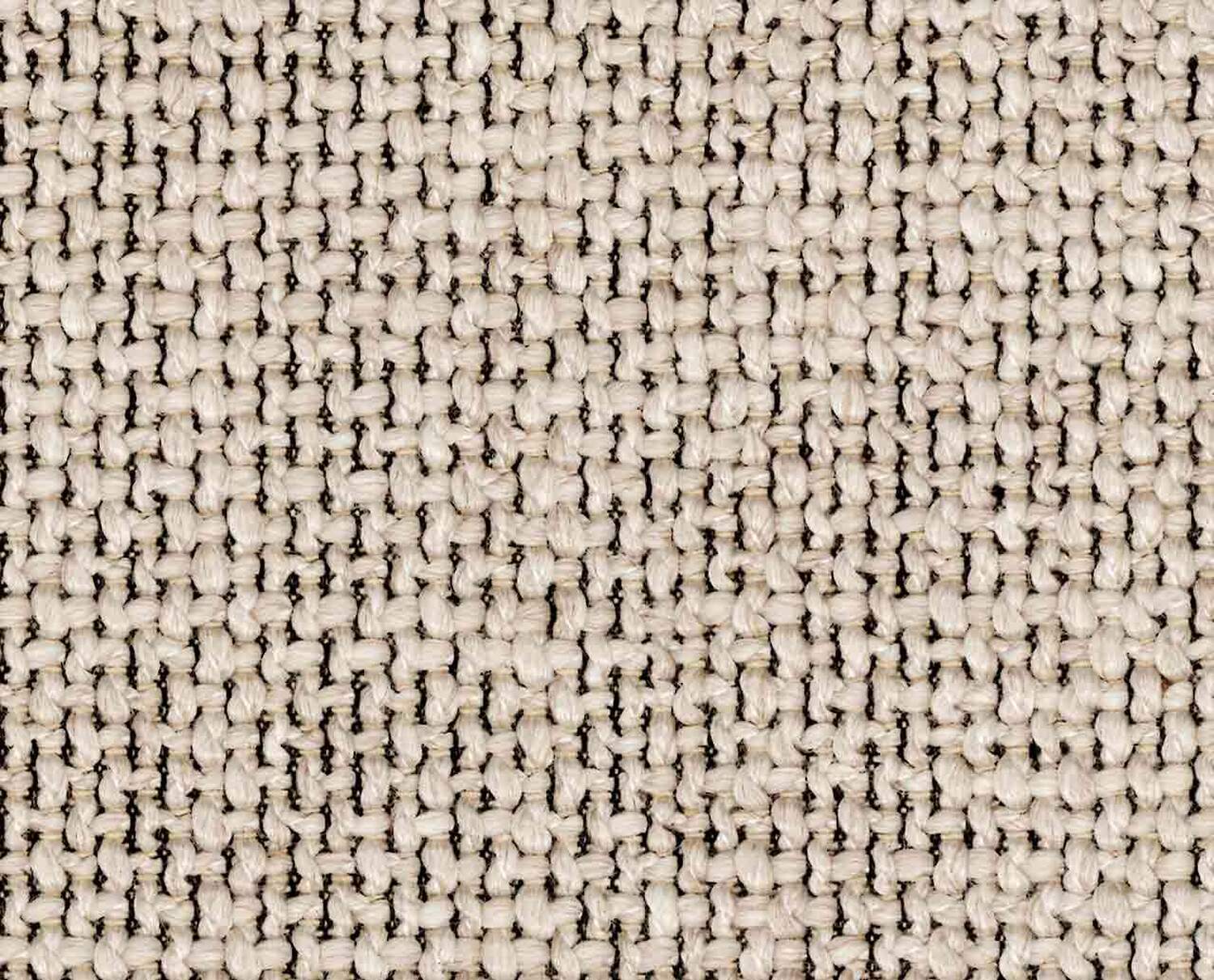
The materials are divided into different categories; each one is accompanied by its own information sheet with instructions, preventative measures and methods for cleaning.
A server error occurred. Please try again later.
The product sheet is not available for this item.
The server response is not valid. Please try again later.
The received document is empty. Please try again later.
Unable to connect to the server. Please check your connection and try again.
Please log in to download the product sheet.
2009
In 1952, working with Franca Helg, his long-time assistant, Franco Albini designed Tre Pezzi, a contemporary restatement of the classic bergère chair. The chair is composed of a deep curved seat, a ring-shaped back rest and a half-moon head-rest, each of these geometric shapes standing out independently. Wide and welcoming, the upholstered sections combine clean-cut lines with total comfort. The tubular metal frame is cued on scaffolding poles, while the sideways curve of the armrests recalls the handrails on the Milan underground system, which were also the work of Albini and Helg. The outcome is an up-to-the-minute armchair with a strong visual impact revisited by Cassina in the utmost respect for the original.
I MAESTRI
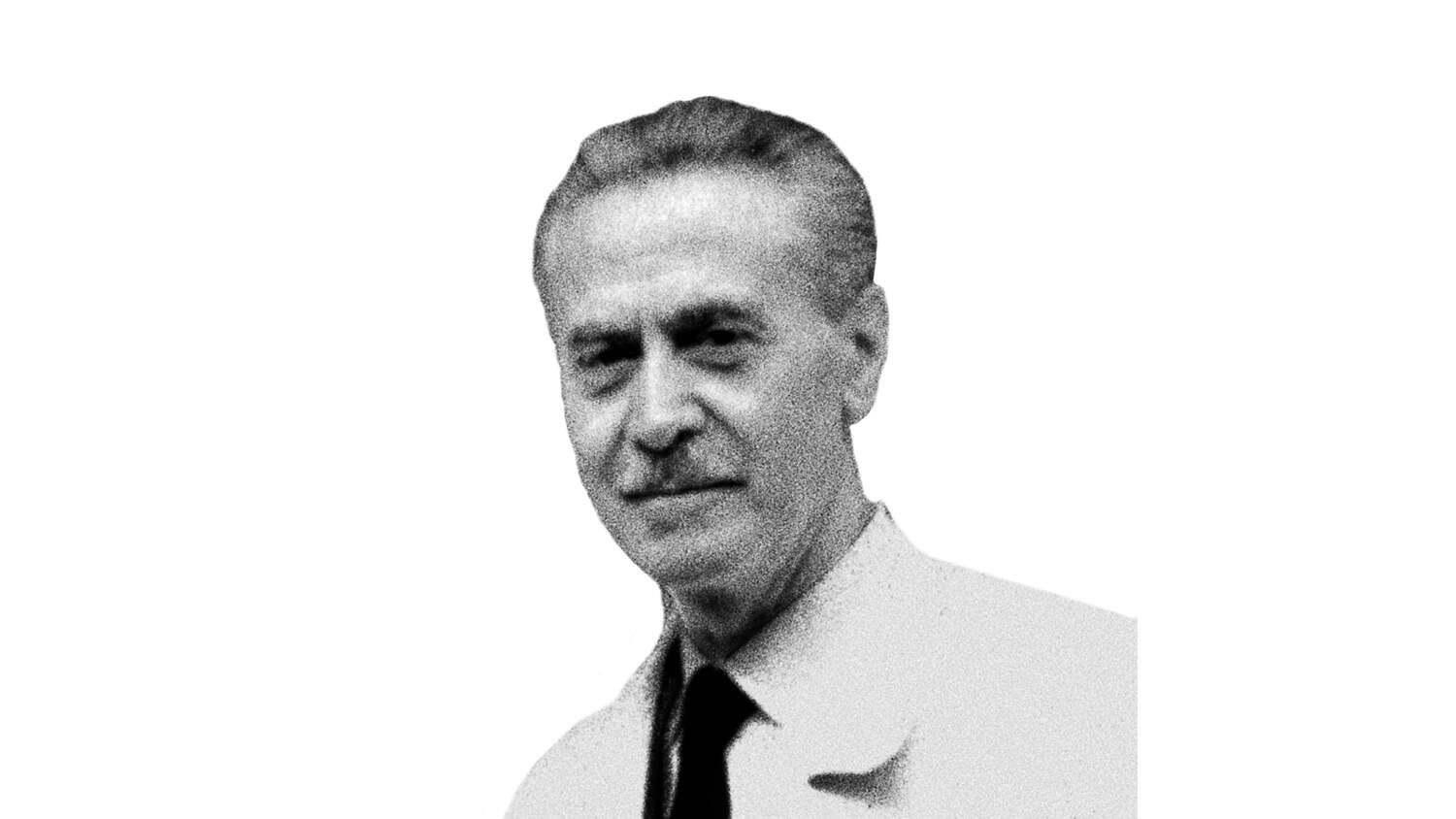
He was a major figure in the Rationalist Movement, excelling in architectural, furniture, industrial and museum design. After receiving a degree in architecture from the Politecnico di Milano in 1929, he worked with the Ponti and Lancia design studios.is work for the magazine Casabella also played a key part in his development, marking his conversion to the Rationalist Movement and his becoming its spokesman on the Italian cultural scene.
Read more.
A server error occurred. Please try again later.
The product sheet is not available for this item.
The server response is not valid. Please try again later.
The received document is empty. Please try again later.
Unable to connect to the server. Please check your connection and try again.
Please log in to download the product sheet.