





Access to your account to proceed
Le Corbusier
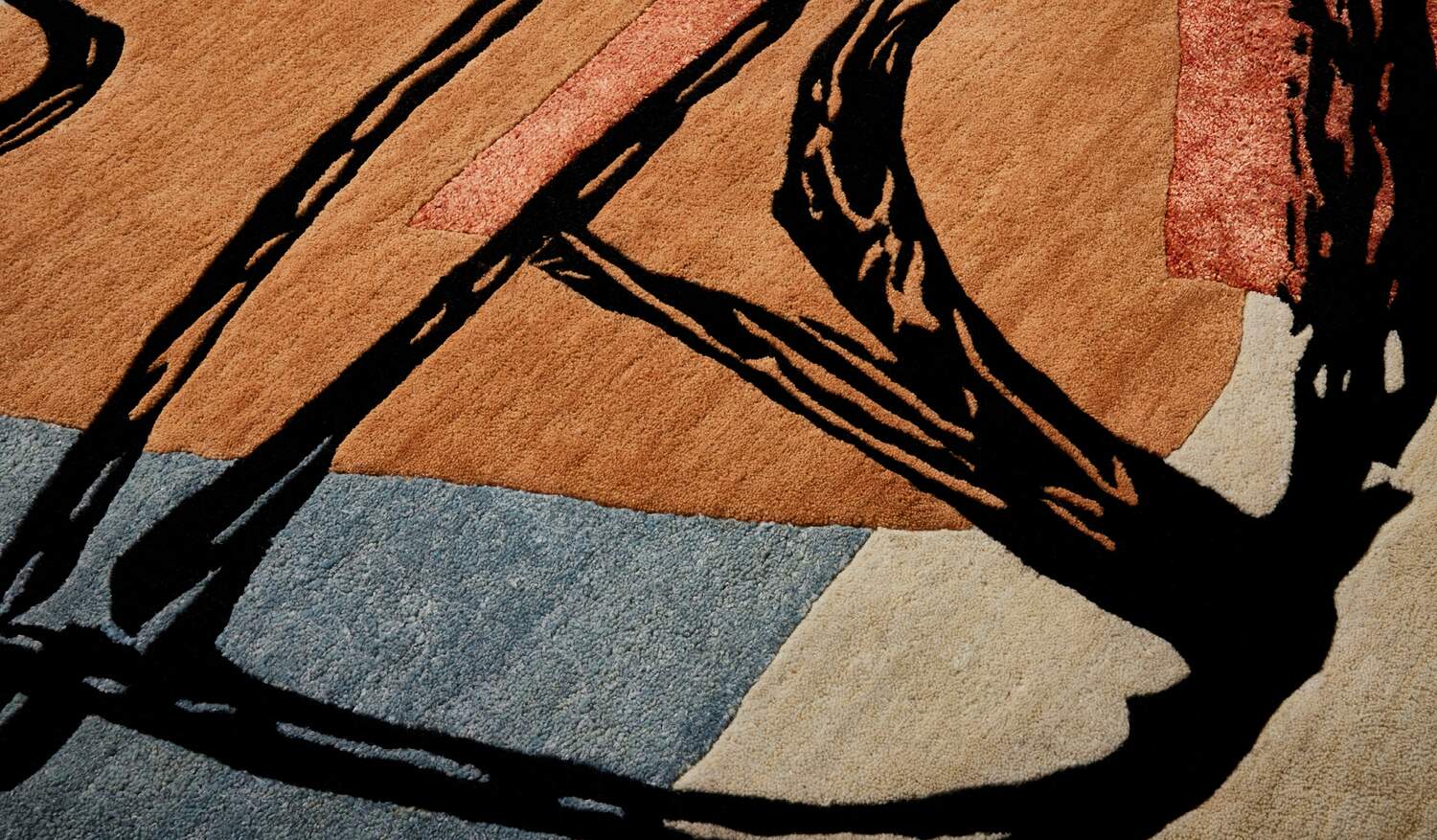
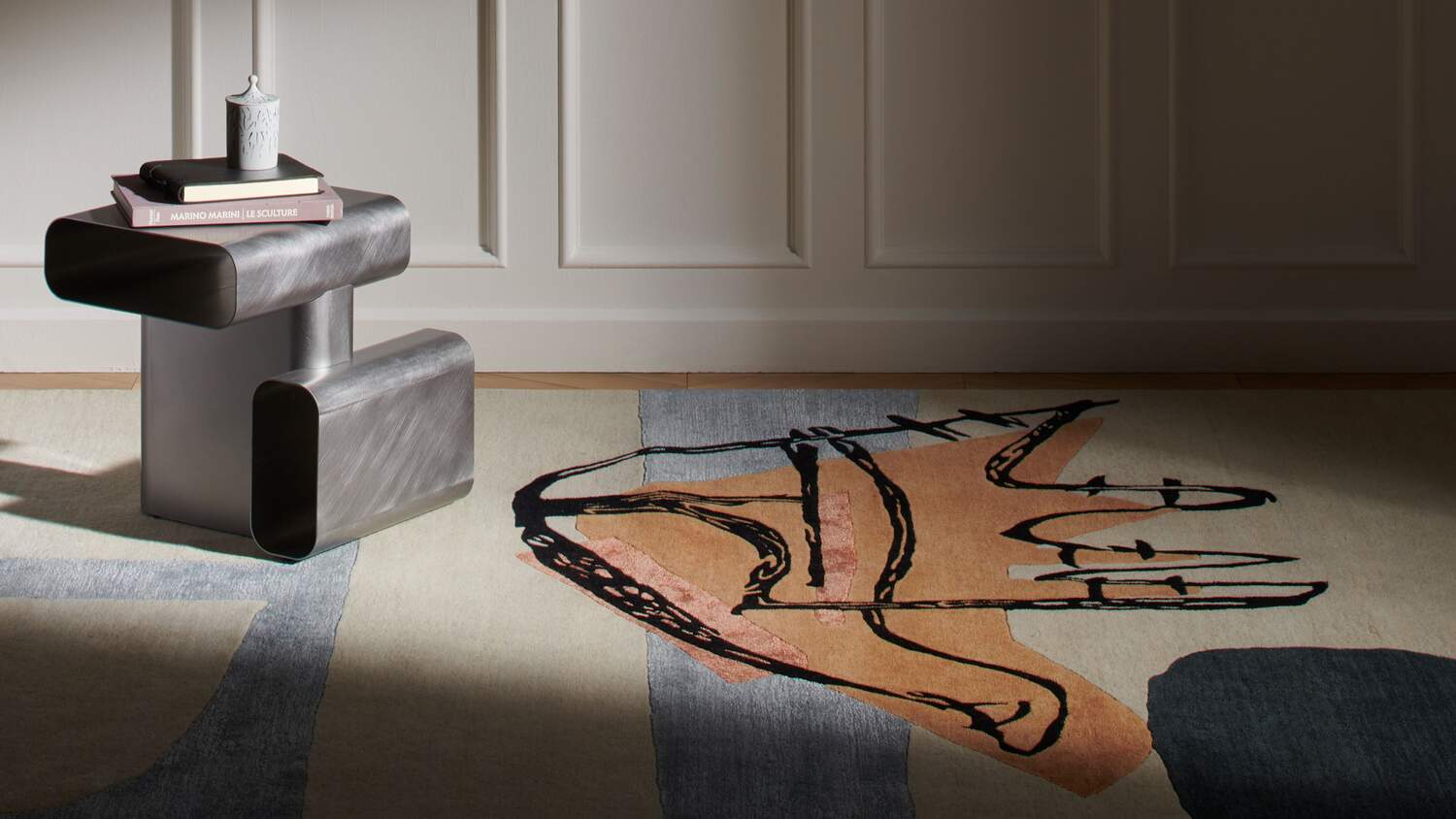
Inspired by Le Poème de l’Angle Droit, the art book published in only 250 exemplars that contains the vision of Le Corbusier on architecture, Tapis La Main Ouverte portrays a lithograph in seven colours produced by the historic Paris printer, Studio Mourlot.
DESIGN BY
PRODUCT CARE AND MAINTENANCE
In this manual you will find some recommendations for the care and maintenance of your Cassina products.
The materials are divided into different categories; each one is accompanied by its own information sheet with instructions, preventative measures and methods for cleaning.
Downloads
Access 2D and 3D drawings, technical sheets, and complete documentation to explore every detail of our products.
Designed for professionals and those seeking in-depth information.
2023
Inspired by Le Poème de l’Angle Droit, the art book published in only 250 exemplars that contains the vision of Le Corbusier on architecture, Tapis La Main Ouverte portrays a lithograph in seven colours produced by the historic Paris printer, Studio Mourlot. The collage depicts an open hand, symbol of the Indian city of Chandigarh, designed by Le Corbusier himself in the 1950s, and a key image in the maestro’s philosophy, symbolic of what is offered and received, utilised by the great architect as a metaphor for generosity and sharing in a universally meaningful gesture. The uniqueness of Tapis La Main Ouverte lies in its production technique - each rug contains 72,300 knots per square metre, each one strictly tied by hand. This type of work requires hand-craftsmanship skills that complete the underlying narrative behind the meaning of human touch encapsulated in the iconic figure.
I MAESTRI
Charles-Edouard Jeanneret, known as Le Corbusier, was born at La Chaux-de-Fonds, in the Swiss Jura, in 1887; he died in France, at Roquebrune-Cap-Martin, on the French Côte d’Azur, in 1965.Early in his career his work met with some resistance owing to its alleged «revolutionary» nature and the radical look it acquired from its «purist» experiments; in time , however, it won the recognition it deserved and it is still widely admired.
Read more.
Access to your account to proceed