LOADING
LOADING
01 Hero 635 black red and blue sedie e poltroncine@4

Item added to cart

SHIPPING: Orders with standard shipping will be shipped via express delivery (DHL) in 5-8 business days, excluding weekends and holidays. The Premium Delivery shipping option ensures your furniture is delivered directly to your home, with careful unpacking and complete removal of all packaging materials. If your order includes Made to Order items or products that are not immediately available, delivery times may extend up to approximately 12 weeks for production. Estimated delivery details will be visible in your cart. In case of any changes, our customer service will promptly send a dedicated update.

RETURNS: Cassina S.p.a. will reimburse the customer the total amount already paid (exclusive of ANY shipping costs), within 14 days of receipt of the notice of withdrawal.
DO YOU HAVE ANY OTHER QUESTIONS? WRITE TO US
Close
Upholstery Colour

EXPLORATION OF COLOR

A variation of the iconic 1918 chair by G. T. Rietveld, the Black Red and Blue wood armchair grew out of the Dutch master’s unflagging exploration and the clear evolution of the archetypal model with a view to the exploration of color.

DESIGN BY

PRODUCT CARE AND MAINTENANCE

In this manual you will find some recommendations for the care and maintenance of your Cassina products.

The materials are divided into different categories; each one is accompanied by its own information sheet with instructions, preventative measures and methods for cleaning.

Downloads

Access 2D and 3D drawings, technical sheets, and complete documentation to explore every detail of our products.

Designed for professionals and those seeking in-depth information.

3ds
obj
fbx
revit
2d dwg / 3D dwg
dimensioni 635 Black Red and blue
skp

PRODUCTION YEAR

2015

One of the versions of the iconic model dated 1918. The structure is in black-stained beechwood with white contrasting parts. Seat and back in green lacquered multiplywood. The armchair can have a single seat and backrest cushion in fabric or leather.

The Black Red and Blue (Zeilmaker version) born from Rietveld’s chromatic experimentation

While researching the origins of the Red and Blue model in collaboration with the Rietveld heirs, it emerged that the key idea of the first prototypes was based on the concept of spatial organisation expressed through the monochrome tones of its elements. The first version was in fact produced in 1918 in completely unpainted wood. In the following years Rietveld proposed various examples, either monochrome or painted in different colours, depending on the requirements of his customers and the interiors for which the chairs were intended. As such, it comes as no surprise to find this 1920s version, presented as part of Cassina’s MutAzioni selection, created for the school teacher Wicher Zeilmaker with a black frame with white ends and a dark green painted seat and backrest. It was Rietveld’s ever-increasing involvement in the De Stijl movement that led him to also use primary colours on this model in 1923, and as such the chair became a veritable manifesto for the emerging neoplastic movement. Initially dubbed Slat chair, Rietveld only gave it the name Red and Blue in the 1950s following its chromatic evolution. The various owners of the different examples used the chair as an abstract- realist sculpture in their interiors and, in some cases, as a simple tool for sitting on, adding cushions to make it more comfortable, just like Cassina offers for the Black Red and Blue today.

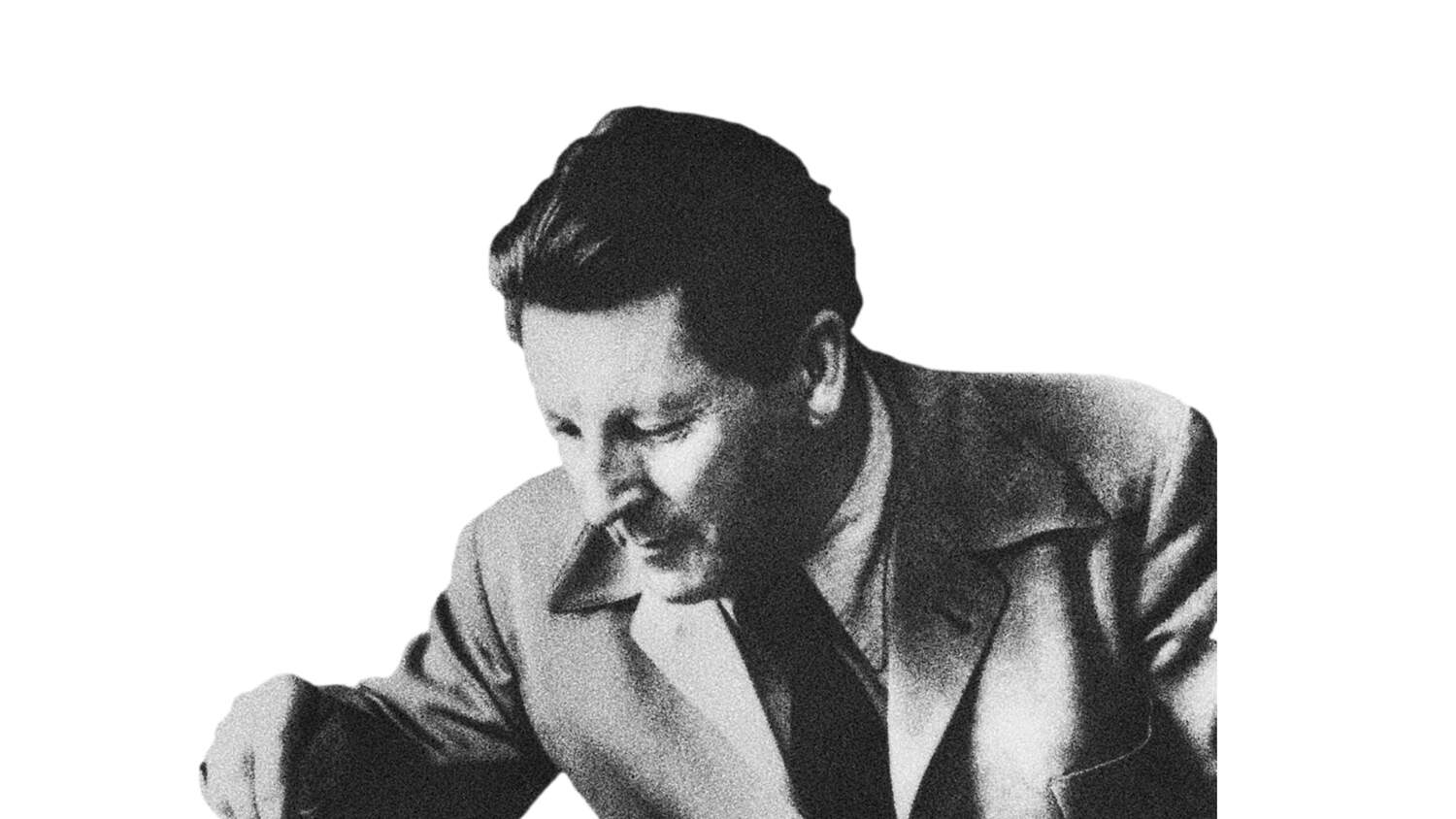
Gerrit Thomas Rietveld

I MAESTRI


Gerrit Thomas Rietveld, born in Utrecht on 24 June 1888, seems possessed of two personalities, each so distinct that one might take his work to be that of more than one artist. The first personality is that seen in the craftsman cabinet-maker working in a primordial idiom, re-inventing chairs and other furniture as if no one had ever built them before him and following a structural code all of his own; the second is that of the architect working with elegant formulas, determined to drive home the rationalist and neoplastic message in the context of European architecture. The two activities alternate, overlap, and fuse in a perfect osmosis unfolding then into a logical sequence.

Read more.