









进入专属区发送您的申请
制造年份

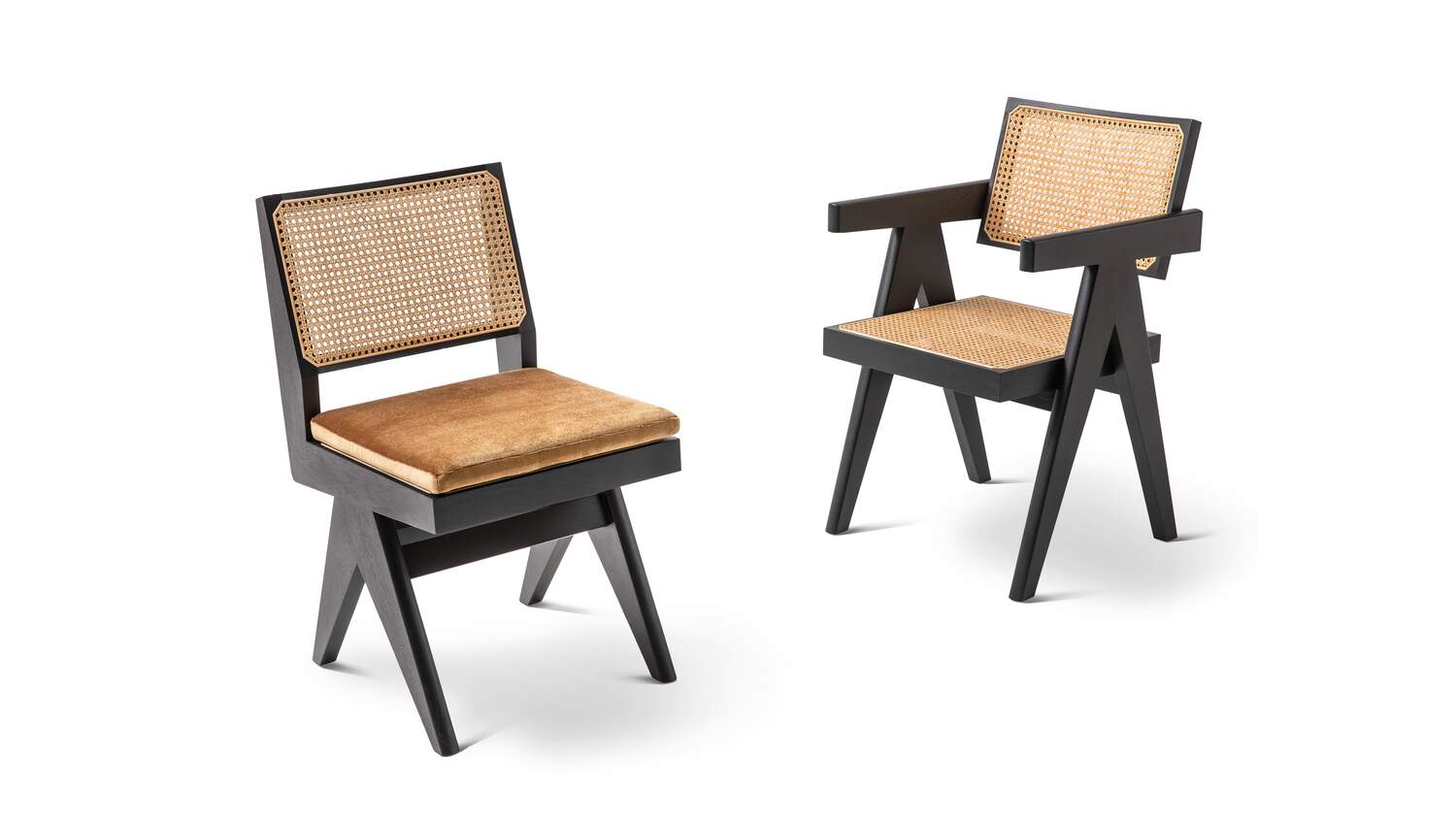
这款实木设计师扶手椅是昌迪加尔市国会大厦的家具中最著名的款式之一,向 Pierre Jeanneret 致敬,原创的橡木或柚木结构与别不同,座椅采用维也纳稻草。
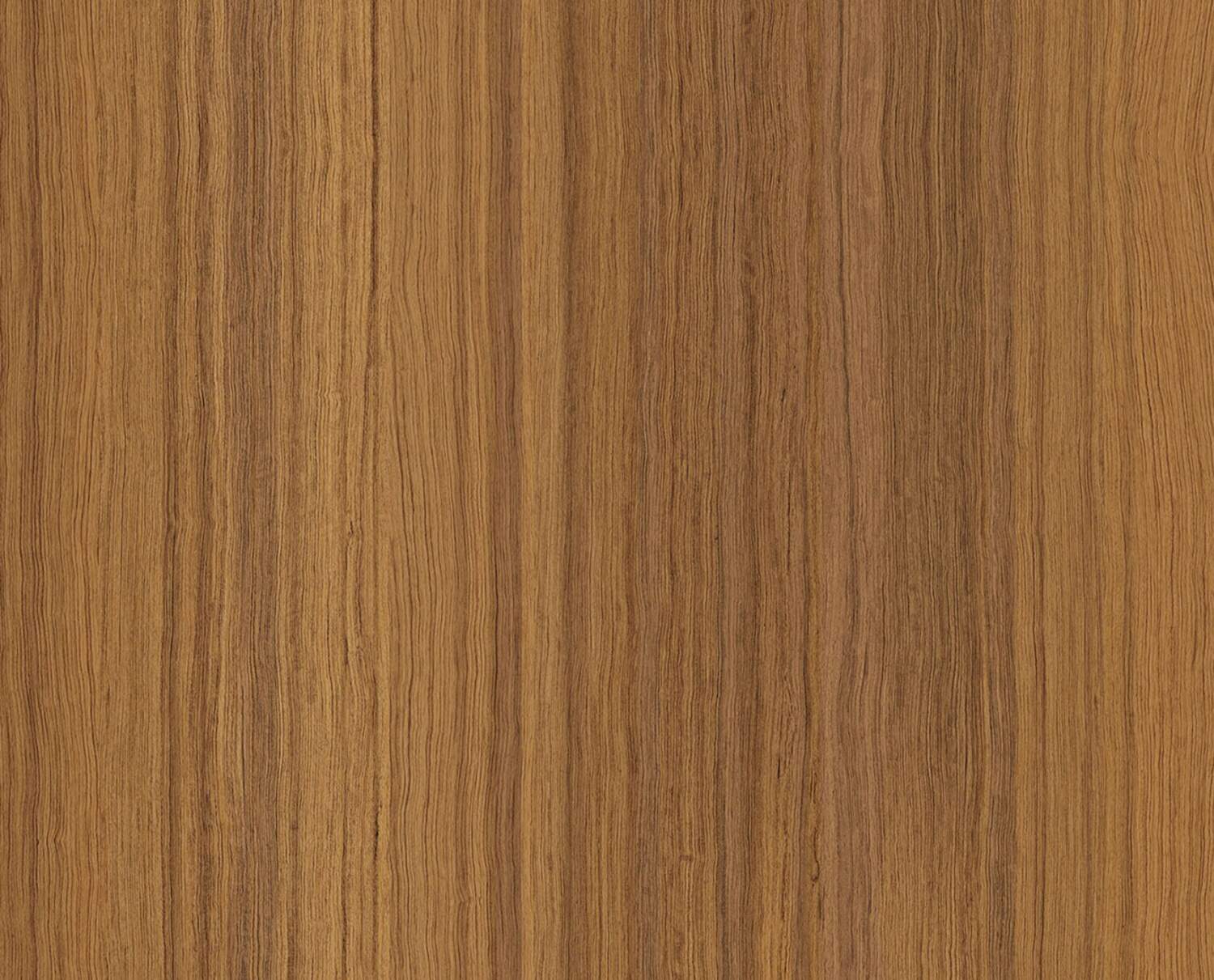
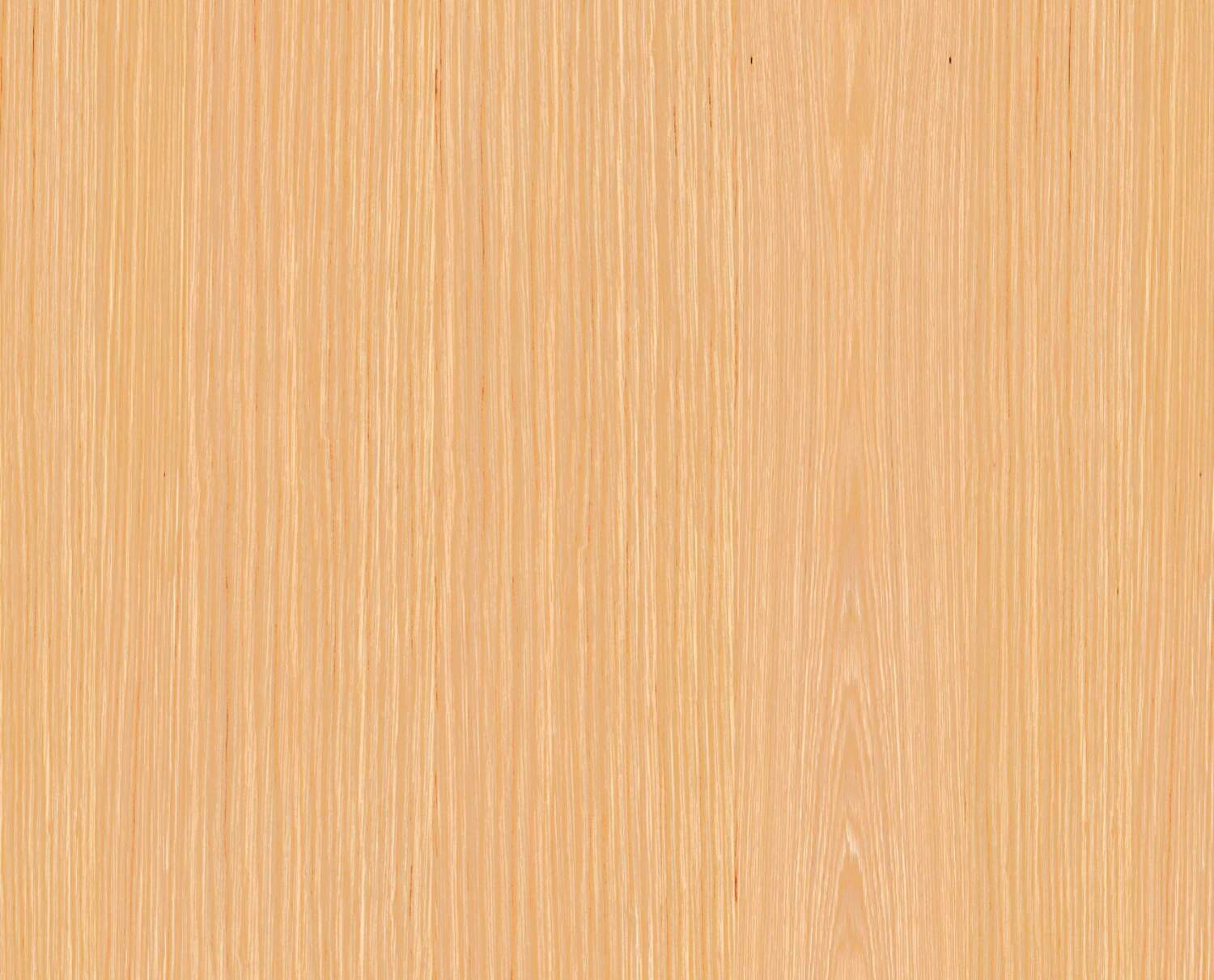
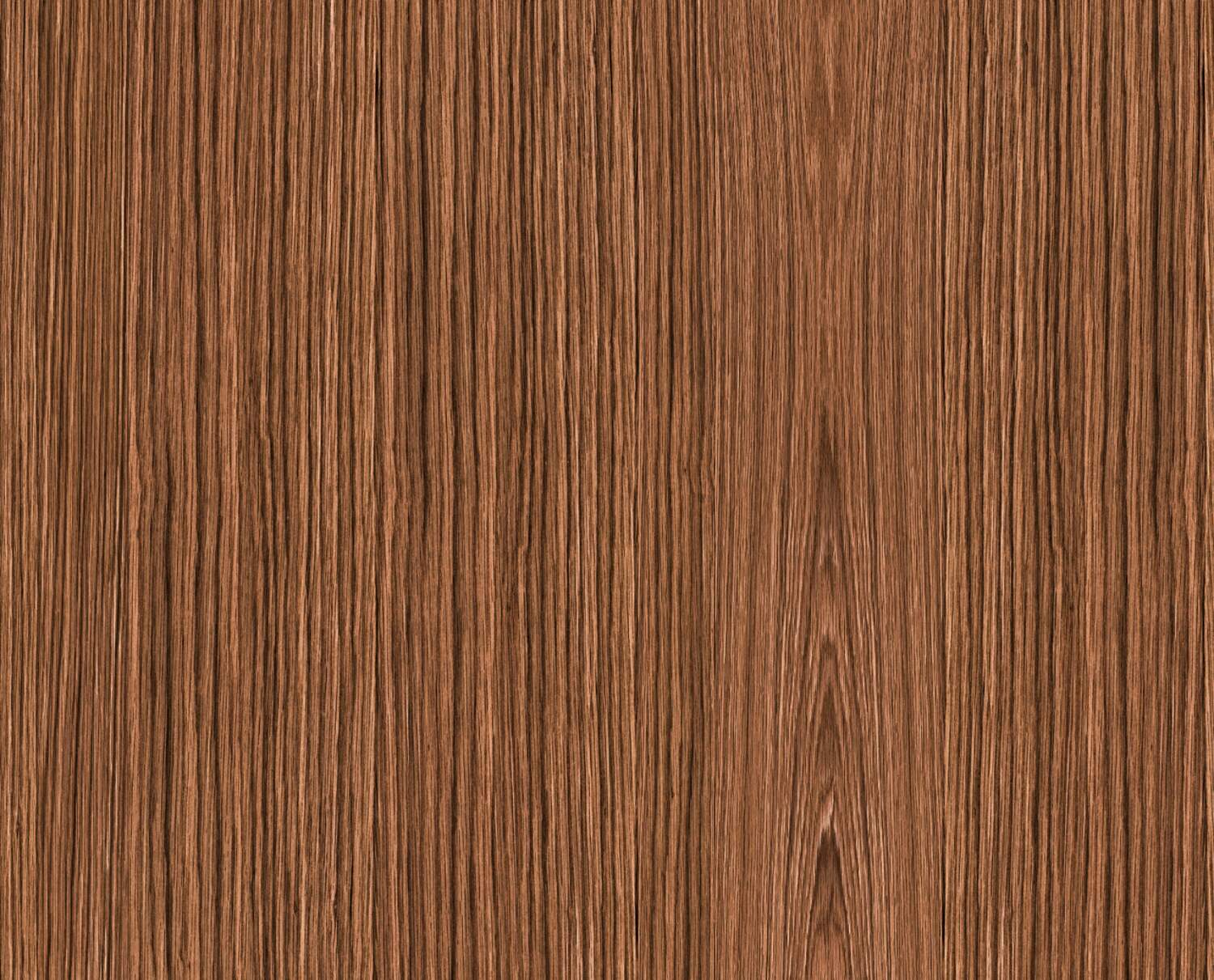
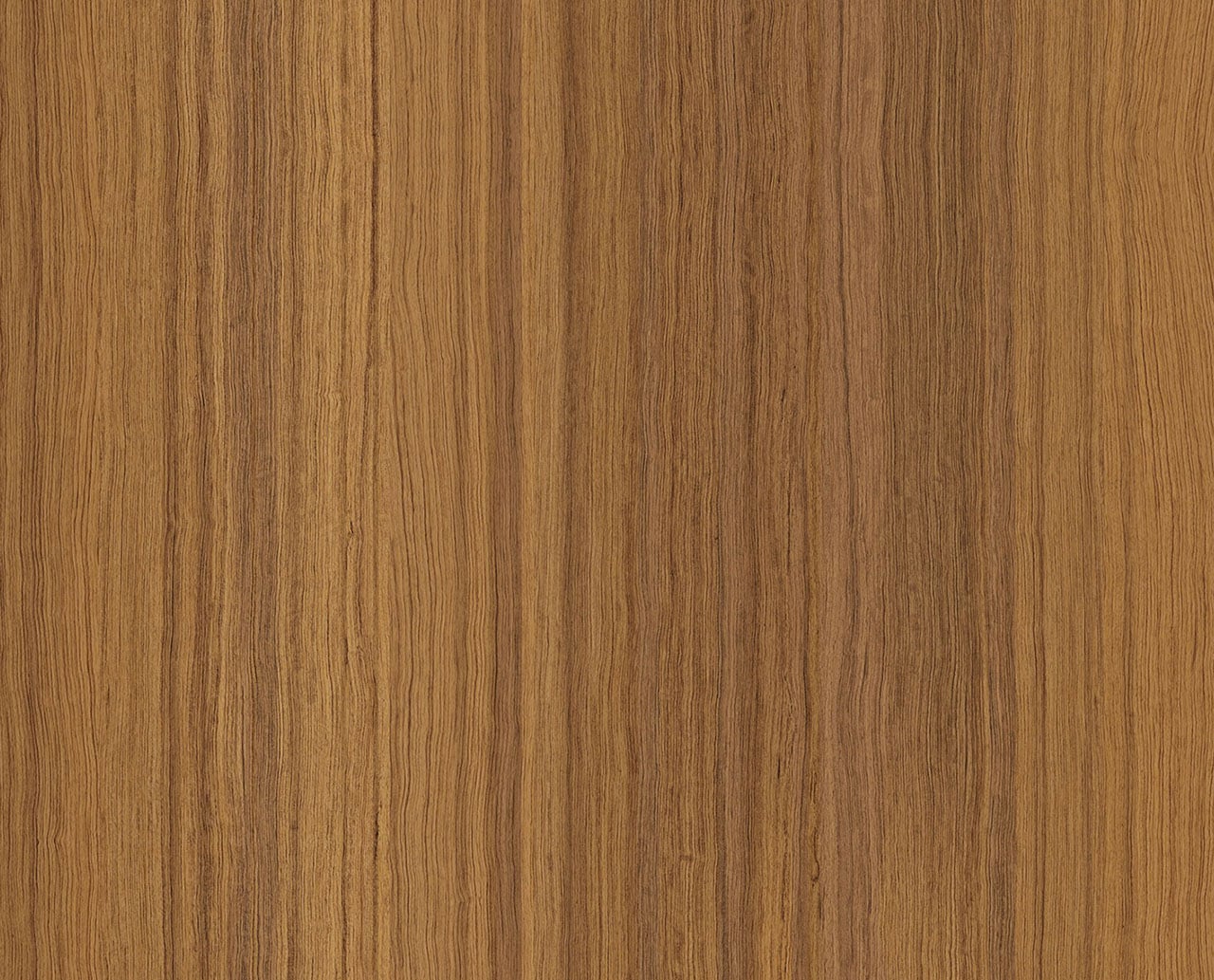
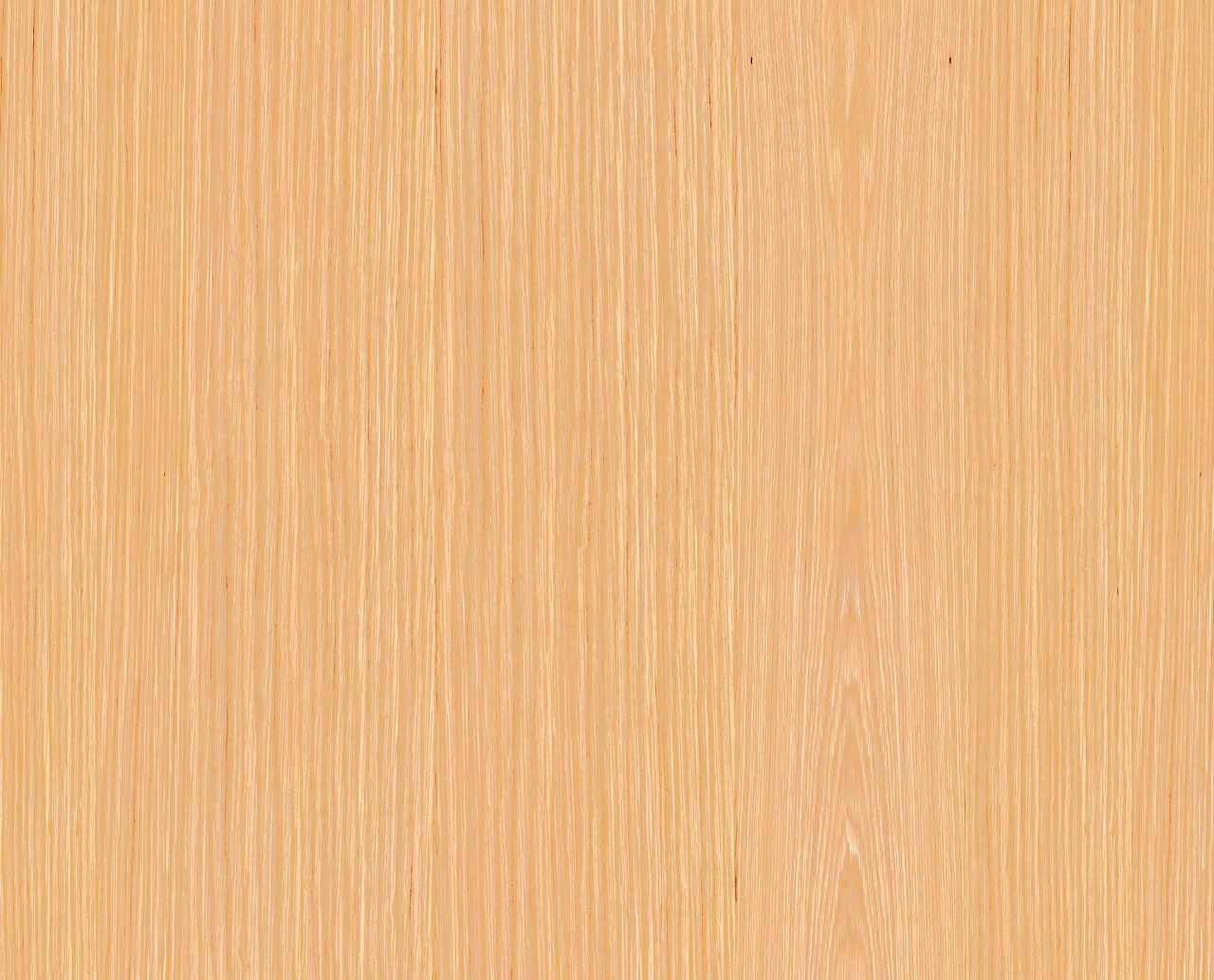
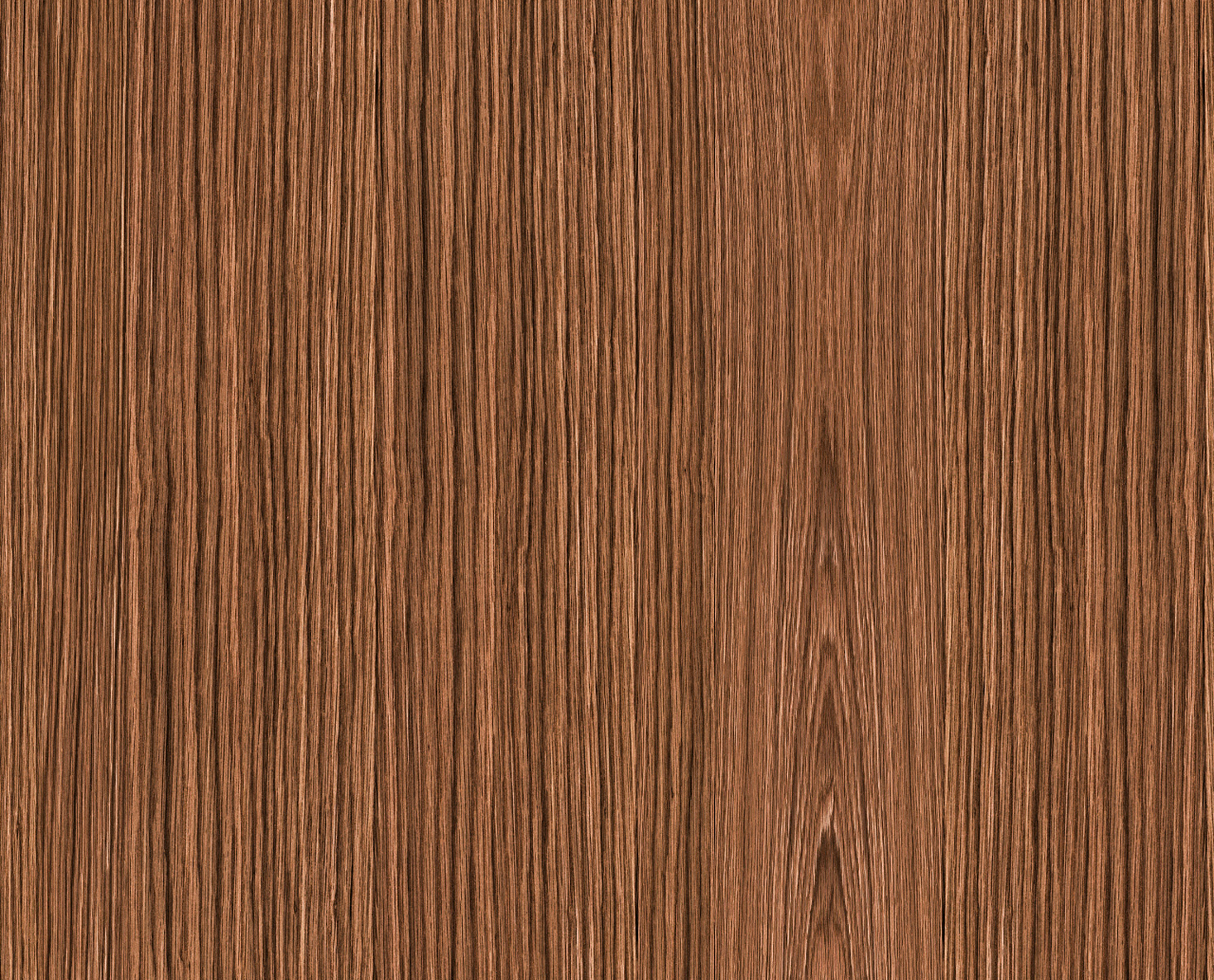
This chair is one of the most recognisable in Chandigarh’s Capitol Complex, found throughout the offices of the Secretariat. The independent pieces, including the side bars in an inverted “V” supporting the armrests, are all made of solid wood. The woven backrest and seat, stretched across a wooden frame, are elements common in the area, much like the use of local woods like teak. Similar to the better-known office chair, this armless chair also uses the “V” approach to sidebars, in this case shorter as they do not extend to the arms. Importance, instead, is given to the seating/ backrest sequence in Viennese woven cane, connected with an immense geometric section supported by two wooden profiles, and coplanar legs, that together, are simple and yet, powerful at the same time. Cassina’s reissue offers the classic version in teak, and two versions in natural and stained black oak.
I Contemporanei
在1922年,Le Corbusier开启了在巴黎塞弗尔街新工作室的新职业生涯,他和表兄Pierre Jeanneret共享了贯穿一生的深邃、持久设计所具备的研究和标准。1927年10月,他们决定好好利用当时建筑界一位年轻艺术家的才华:Charlotte Perriand。他们的合作一直延续到1937年,在家具创作方面取得了尤为丰富的硕果,
结构由分开的元素组成,包括倒“V”形的侧边扶手支撑,这种技术解决方案已经出现在无扶手的 Capitol Complex 椅子中。

Downloads
进入专属区发送您的申请