





Access to your account to proceed
Cassina
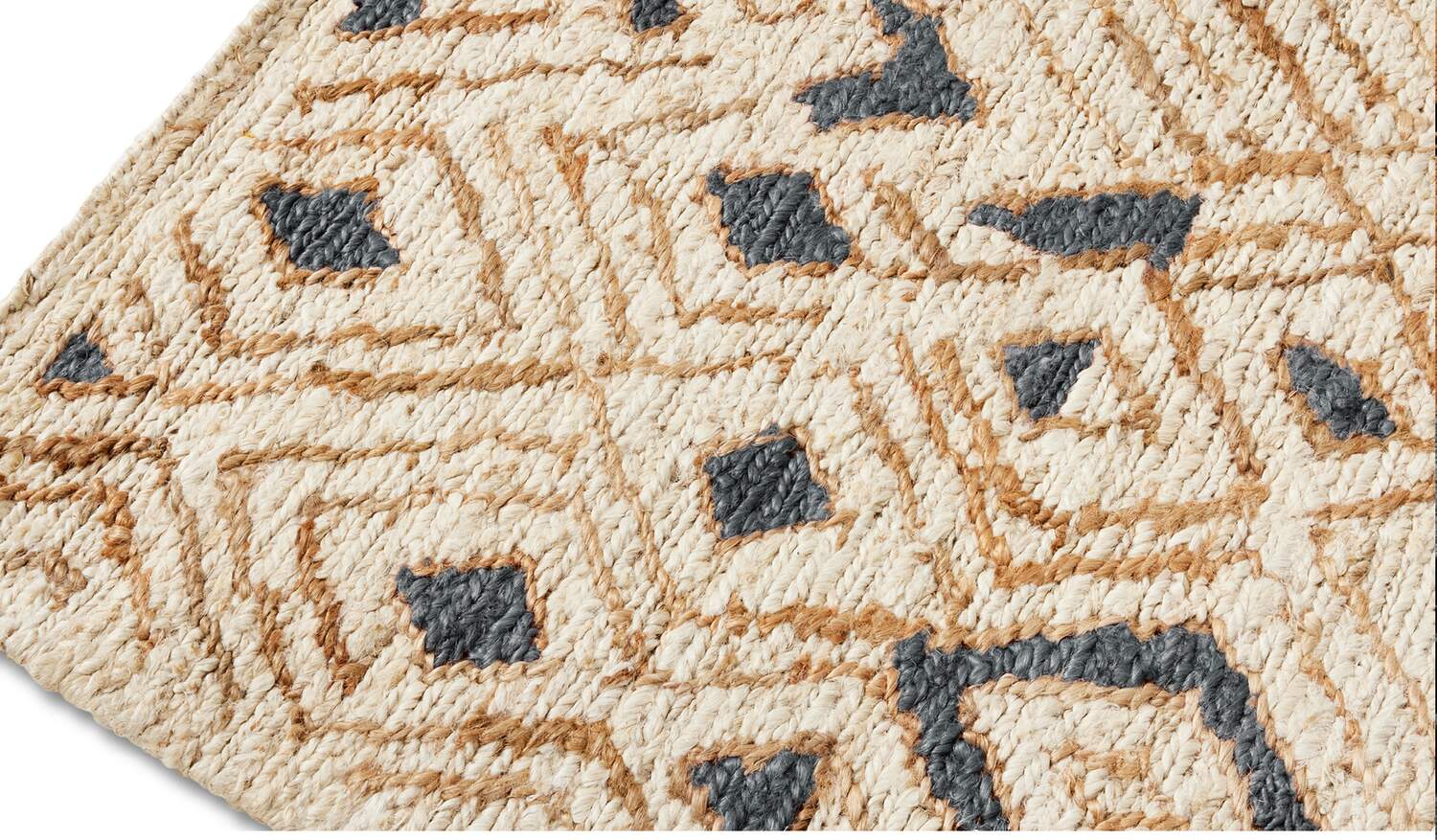
A rug that celebrates nature, entirely hand-made of jute, using ancient traditional methods.
DESIGN BY
PRODUCT CARE AND MAINTENANCE
In this manual you will find some recommendations for the care and maintenance of your Cassina products.
The materials are divided into different categories; each one is accompanied by its own information sheet with instructions, preventative measures and methods for cleaning.
Downloads
Access 2D and 3D drawings, technical sheets, and complete documentation to explore every detail of our products.
Designed for professionals and those seeking in-depth information.
2023
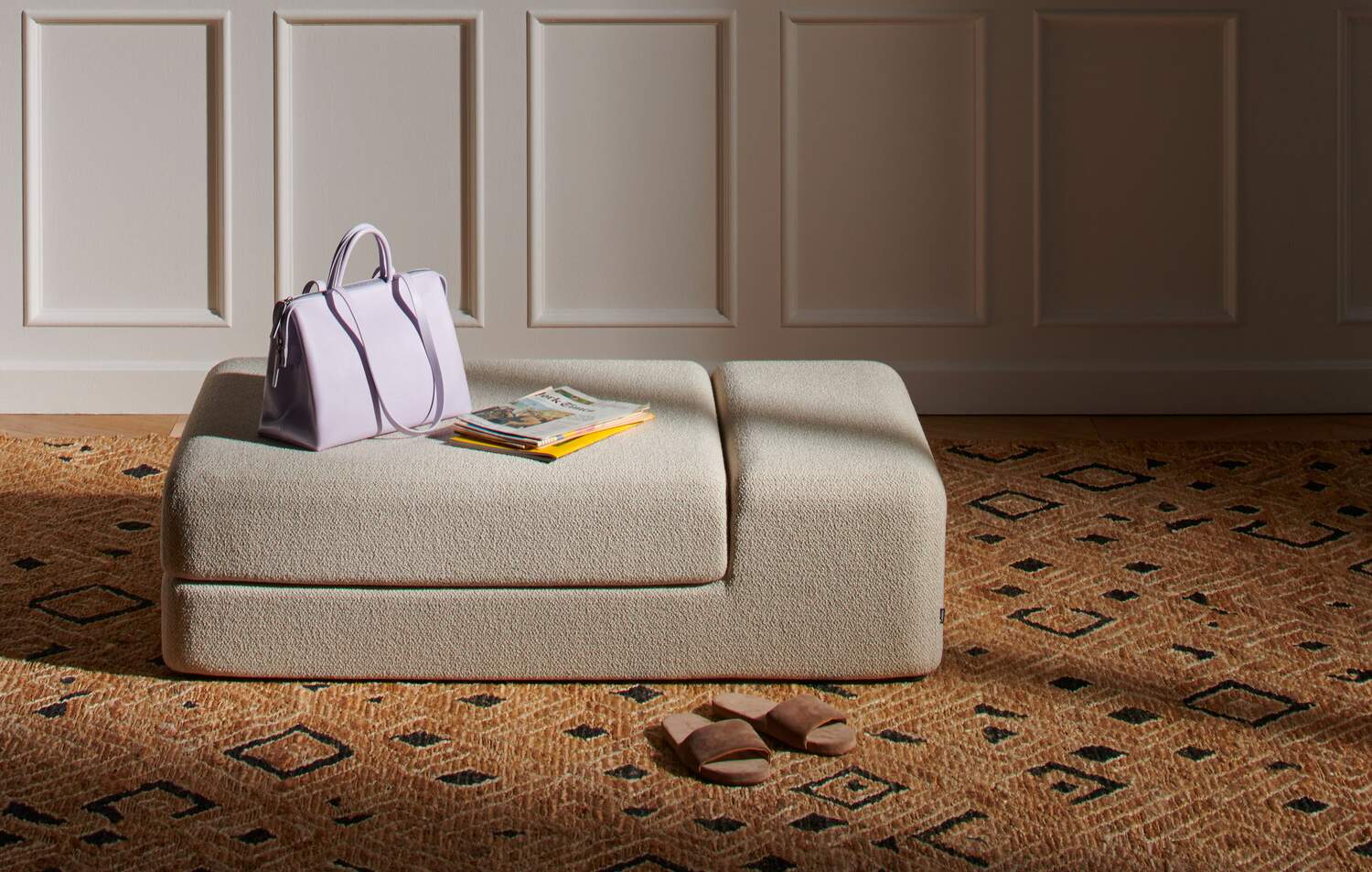
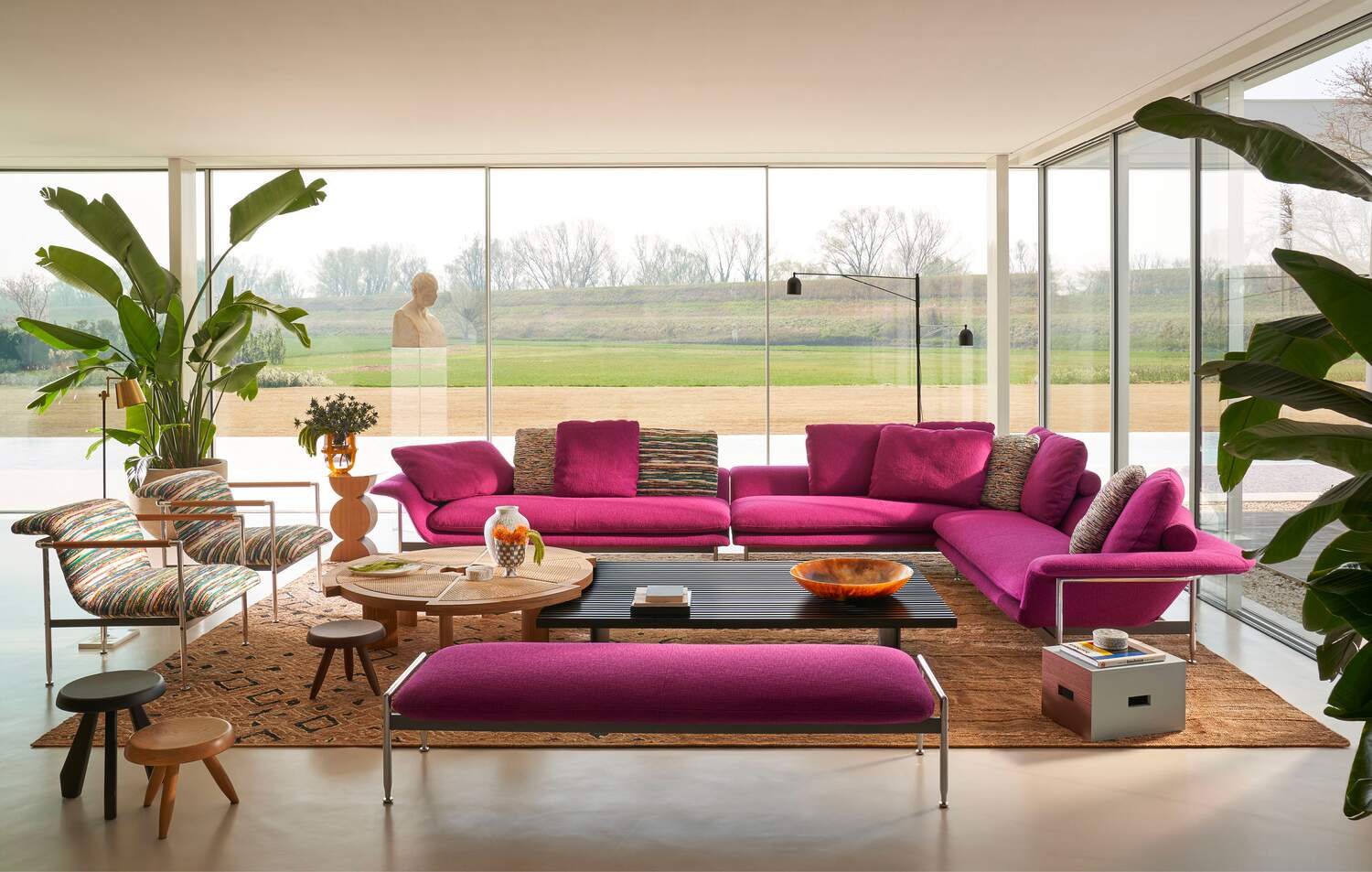
Cassina partners with the Golran company to produce the Ténéré rugs, made entirely hand-made by artisans who employ jute weaving techniques, a legacy of instruction passed down from one generation to the next, adding value to the Cassina contemporary design. Two models of the rug are available, each with its own style of weaving. Both come in three colourways and two sizes, for a total of 12 products, as well as a custom version to meet the needs of any home. Thanks to the materials and techniques with which it is produced, Ténéré celebrates the textural essence of nature in every detail – from the colours to the decorative patterns, and from the material to the weaving process. The Policromo model features the use of three natural colours that, woven together, create minimalist striped and diamond patterns. Each rug has one colour for the base, one for the diagonal lines and another for the patterns, ranging from vinaccia colour to cord or white. The Barcode style rug is distinguished by a single colour, selected from vinaccia, cord or white, with a high-low pile technique that employs two types of weave. The higher pile surface is produced with a traditional weave while the lower pile is obtained through a kilim technique, typical of Anatolian rugs.
Access to your account to proceed